UNIFA Academic Year 2017-2018 in Review Newsletter July 5, 2018
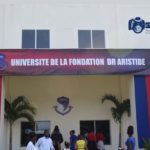
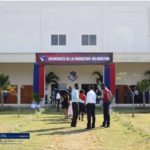
University of the Aristide Foundation
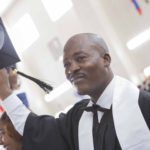
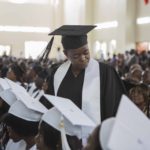
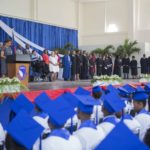
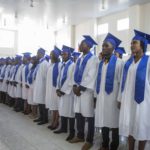
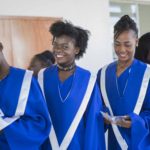
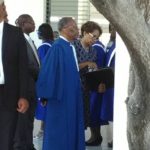
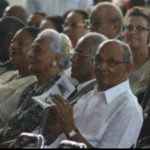
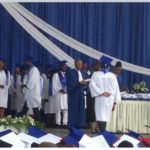
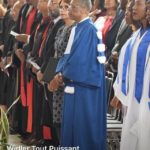
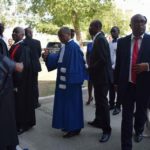
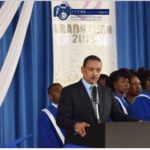
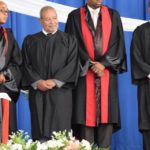
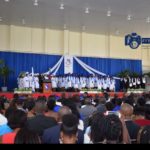
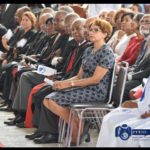
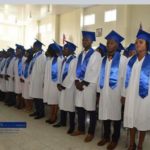
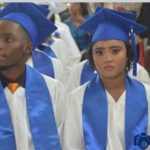
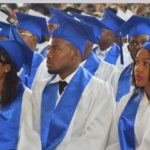
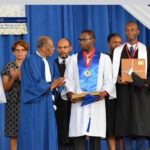
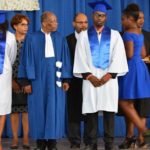
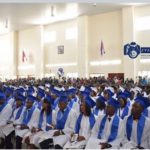
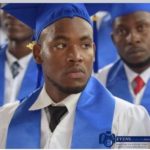
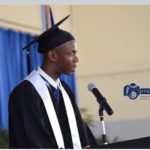
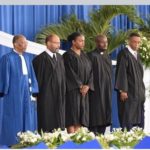
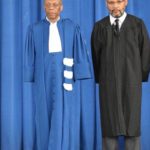
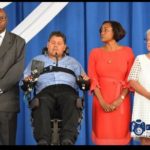
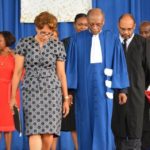
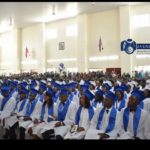
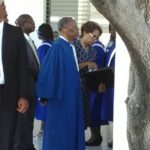
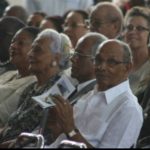
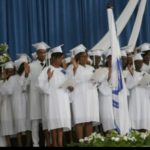
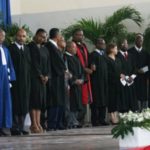
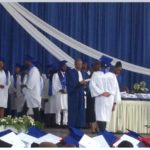
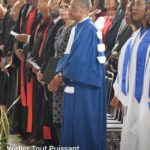
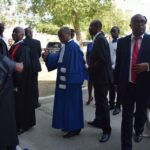
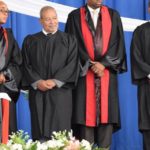
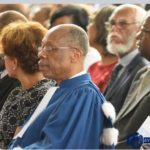
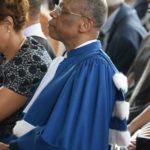
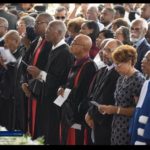
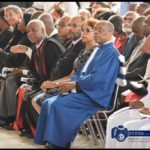
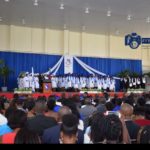
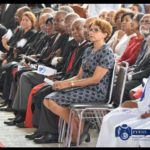
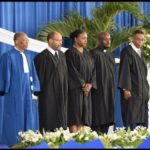
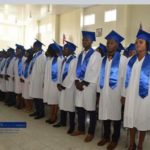
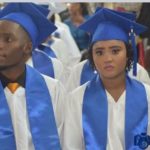
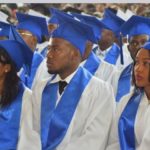
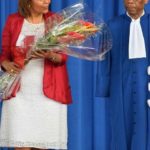
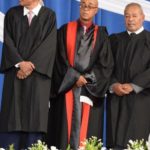
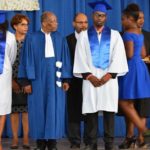
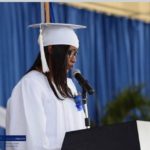
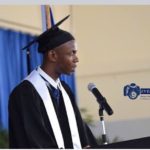
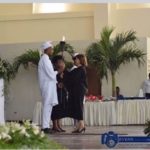
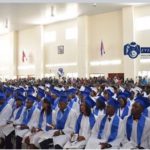
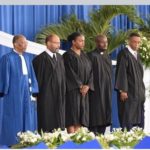
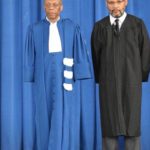
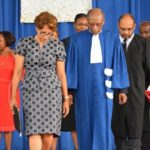
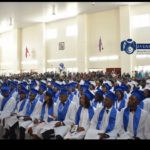
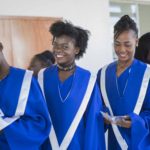
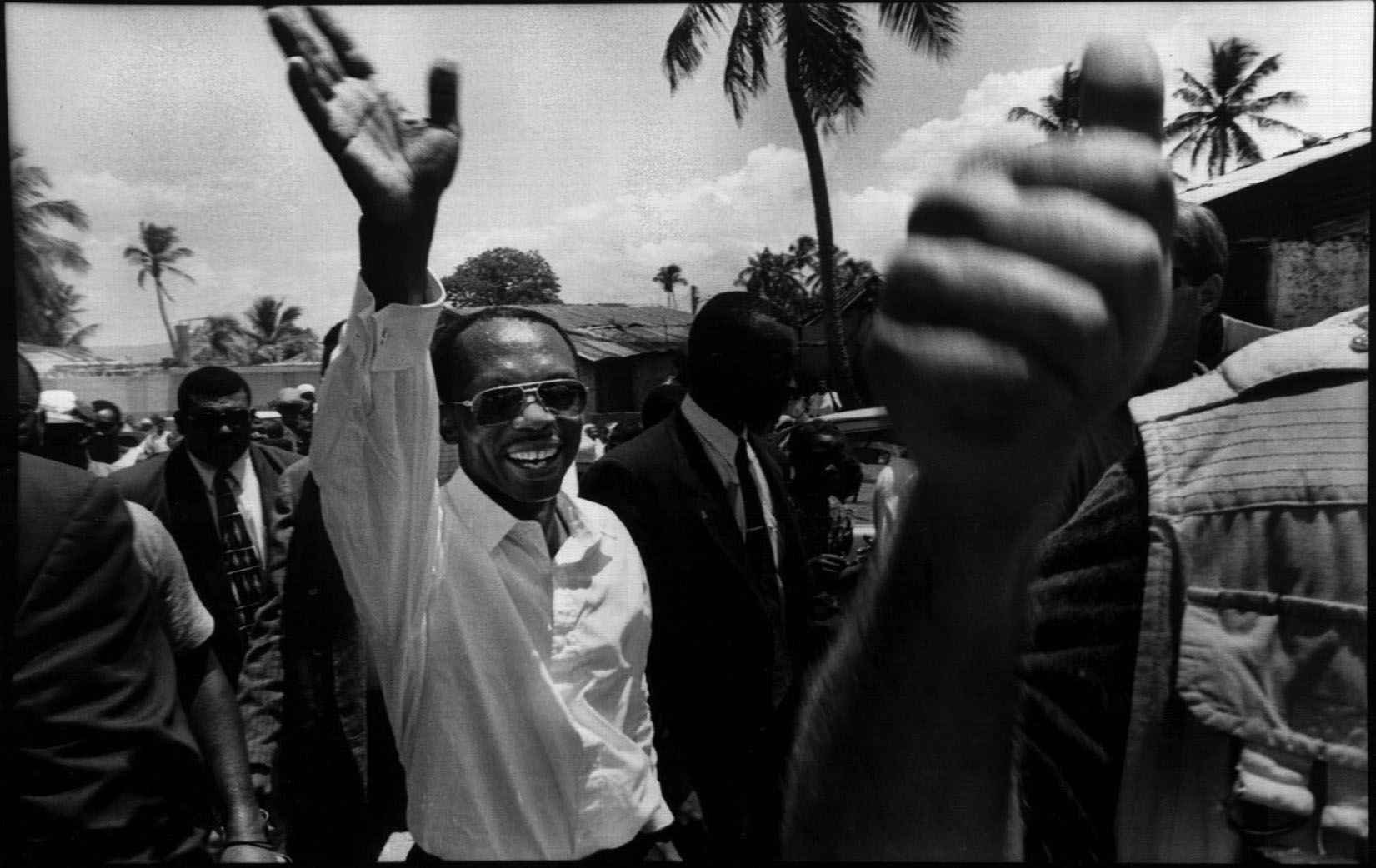
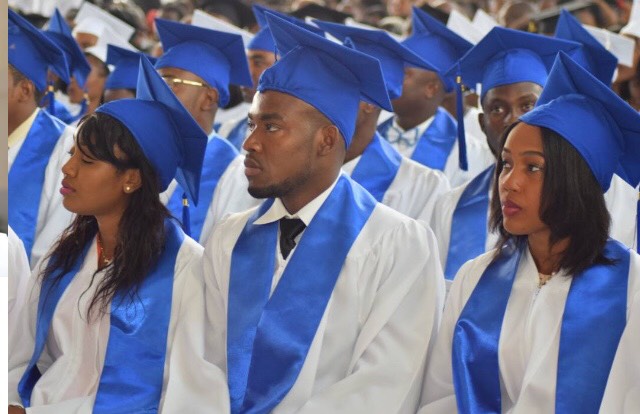 Tabarre, Haiti. On March 18, UNIFA graduated its first 138 students in a ceremony attended by more than 1,300 people. It was broadcast live on the Foundation’s children’s television station, TeleTimoun, and covered widely by major national news outlets. A delegation of UNIFA supporters from California traveled to Haiti to attend the event. It was a momentous occasion for these 138 students and in the life of our university, coming 7 years – to the day – following Dr. Jean-Bertrand Aristide’s return from exile in South Africa.
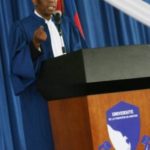
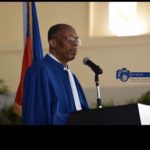
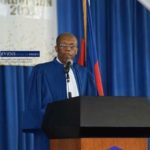
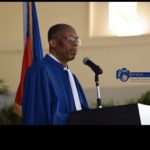
In his address, Dr. Aristide extolled the virtues of science and 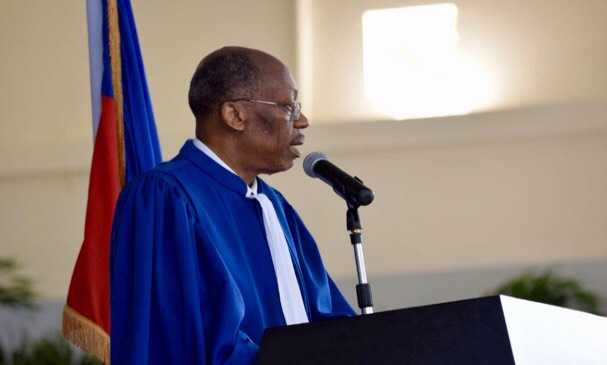 conscience: “May your professional conscience contribute to the awakening of the social conscience… Dear Brothers and Sisters, Haiti could not prevent the January 12, 2010 earthquake. But we must absolutely avoid and repulse this social collapse or social earthquake and then honor Haiti in Dignity. Science and conscience lead to social cohesion, economic solidarity and of course education without exclusion.”
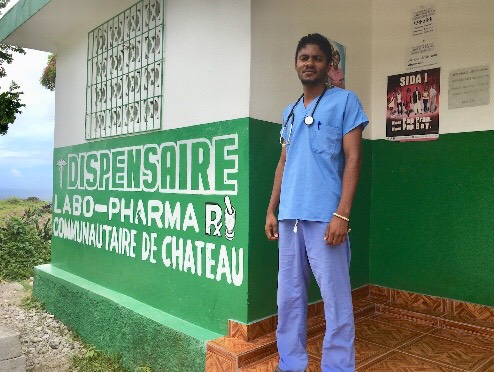
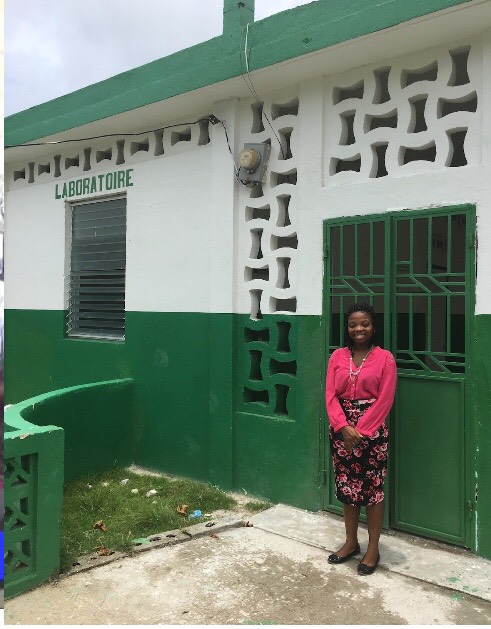 MEDICAL SCHOOL GRADUATES are currently fulfilling their one-year government mandated social service residency in health care centers across the country. In many instances, these young professionals are the only health care providers for the entire community.
Unifa students in Arniquet and Chateau, both in the Department of the South
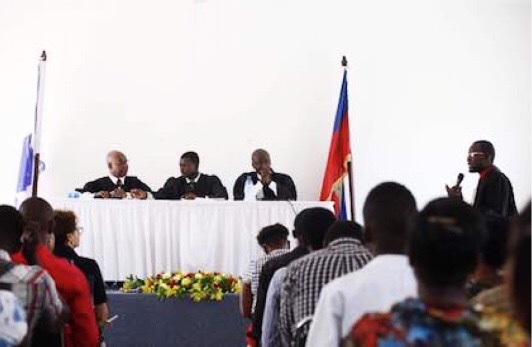 Three of the 13 UNIFA Law School graduates successfully defended their theses before a 3-judge panel in May. This qualifies the students for admission to the bar:
Jacques Hebreu Joseph, The Right to Food in Haiti
Angly Ferand, Parliamentary Oversight of Ministerial Accounts
Abigail Dorlian, Socio-Judicial Consideration on the Presence and Action of NGO’s in Haiti
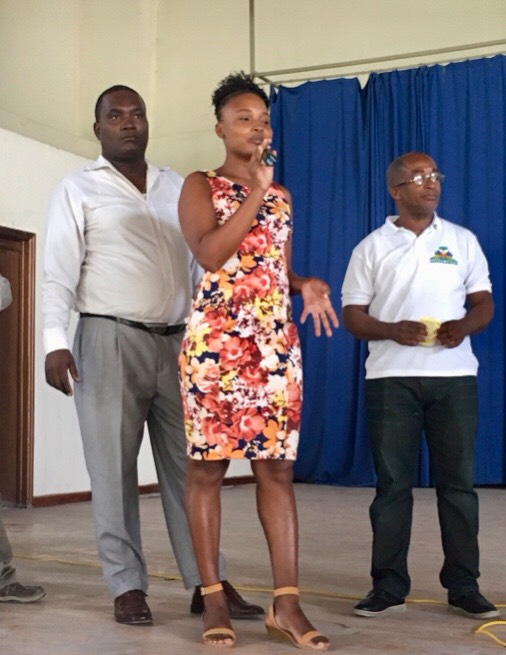 OPEN HOUSE MEETING FOR PARENTS. The academic year began with UNIFA’s first open house meeting for parents. It was an opportunity for parents to visit the campus and dialogue with deans, professors and members of the staff. Over 400 parents were in attendance, exceeding expectations and demonstrating once again the central role of education to Haitian families. A committee was established to maintain lines of communication with parents.
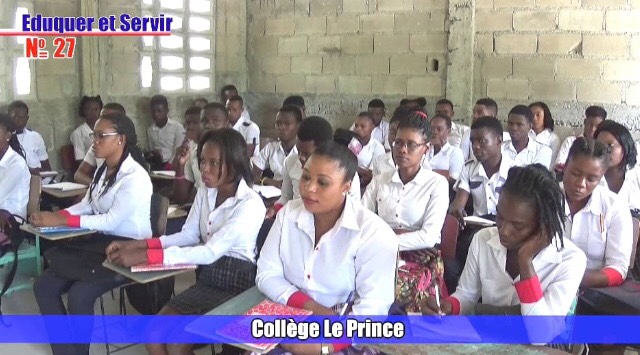 COMMUNITY SERVICE – CIVIC EDUCATION. In line with UNIFA’s commitment to community service, its Law School, in cooperation with the International Bar Association, developed and implemented a Civic Education Program. The primary goal of this initiative is to increase awareness and understanding of basic principles of law and rule of law to Haitian youth. A secondary goal is to enhance legal knowledge, leadership skills and the sense of professional responsibility in law students.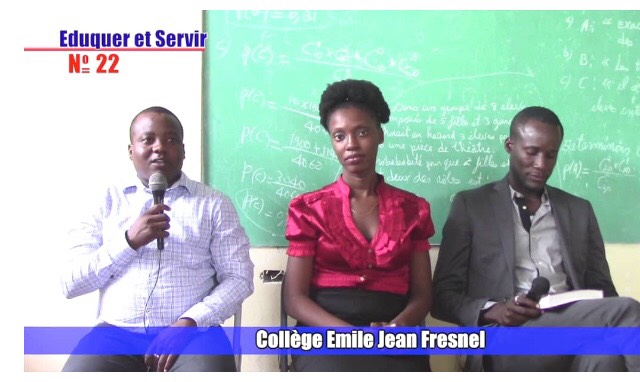
Over the course of the academic year, 15 students visited 36 area high schools where they engaged juniors and seniors on topics ranging from the rights of children, the law on migration, health care, education, citizenship and adoption. Over 1,000 high school students were reached directly and the 2-hour presentations were re-broadcast on TeleTimoun.
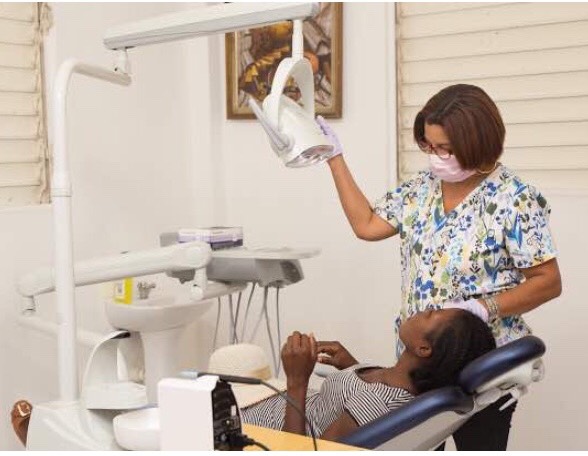
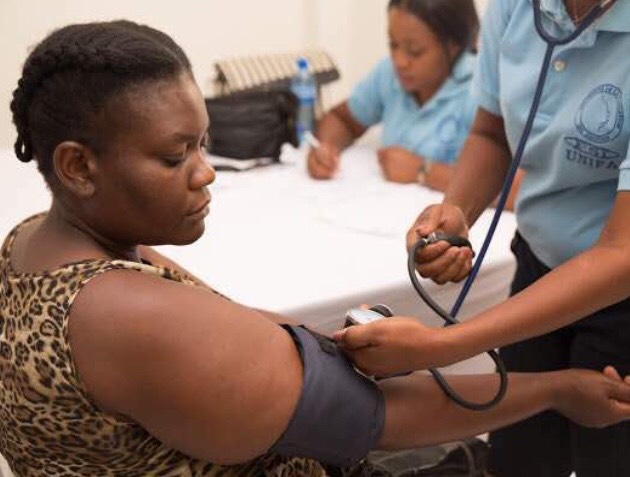
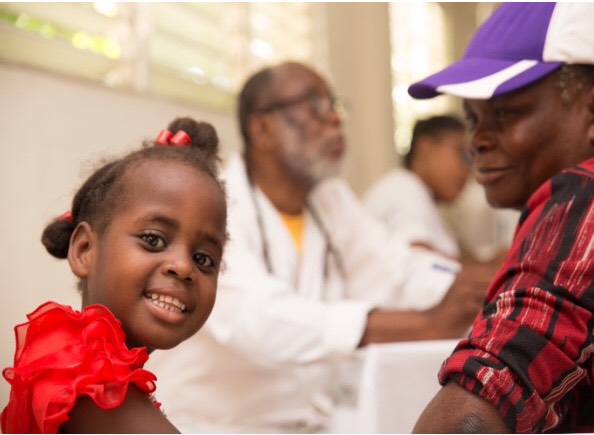
KLINIK MOBIL AND POLY CLINIQUE FONDATION DR. ARISTIDE. This year UNIFA made the strategic decision to reinforce health care services available at the Foundation headquarters, as we continue to strategize for the construction of a university hospital. A sizeable investment was made to add two new services: ophthalmology and dentistry. There are 5 physicians and one nurse on staff with regular consulting hours. A physician, from the Medical School’s Office of the Dean, has oversight over the functioning of the clinic.
For the year, 1,041 patients were seen in the clinic. In addition, the clinic serves as a training site for UNIFA medical and nursing students, while student participation in the regularly scheduled mobile clinics insures the fulfillment of UNIFA’s critical commitment to community service.

SEMAINE SCIENTIFIQUE – SCIENCE WEEK. UNIFA hosted its 4th annual weeklong series of conferences and special lectures this year under the unifying theme of Science and Economy (formal, informal/solidarity). With the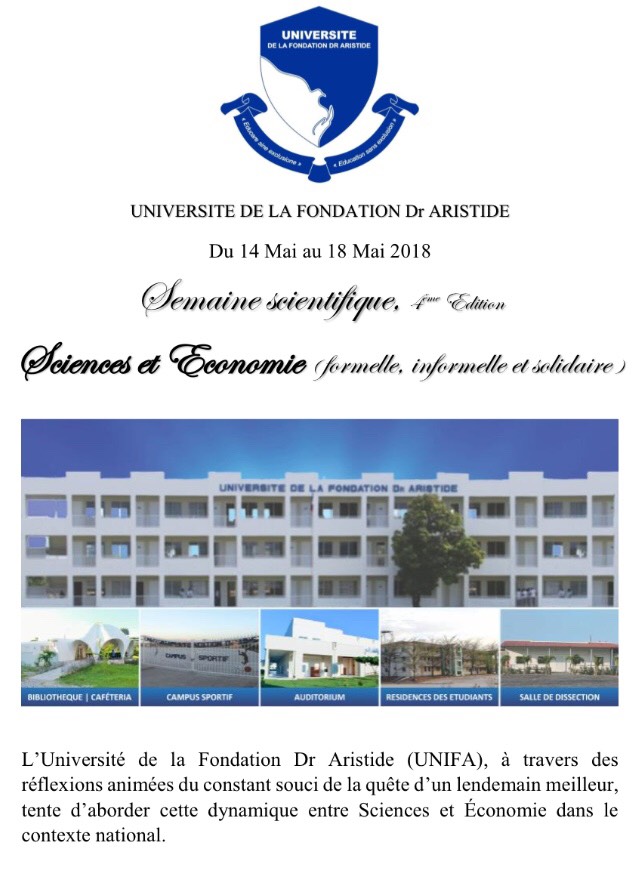 rising cost of living and the specter of yet another increase in the cost of gasoline, the topic is urgent. As one speaker (an economist) insisted, the Haitian economy must be rooted in principles of solidarity and support, support for the poorest.
In a presentation on the rapid urbanization of the country, it was revealed that within the last several years, Port-au-Prince has seen an annual influx of approximately 120,000 new residents – with no near comparable increase in infrastructure and services needed to accommodate these new arrivals.
Among other speakers were the deans of the State University schools of medicine and agriculture; an engineer who spoke on Henri Christophe’s public health policy; a finance specialist who advocated financial inclusion of the poor in the banking system; and the former president of the Port-au-Prince Bar Association who spoke on pending changes to the criminal procedure codes.
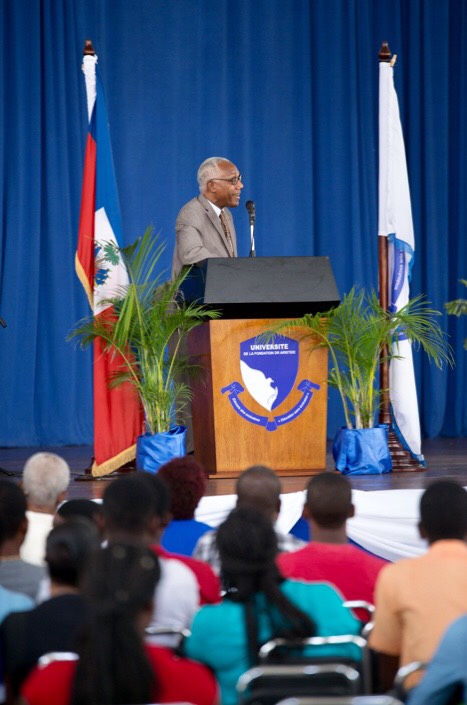
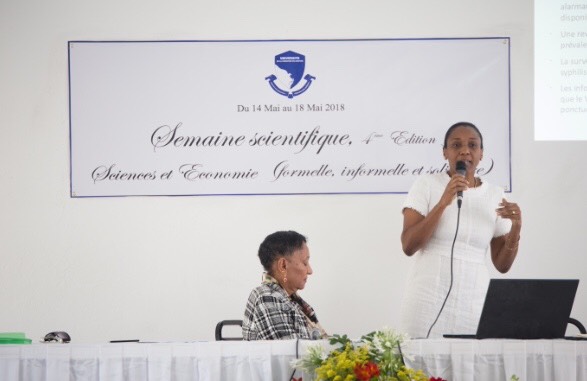
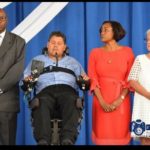
Former Minister of Health
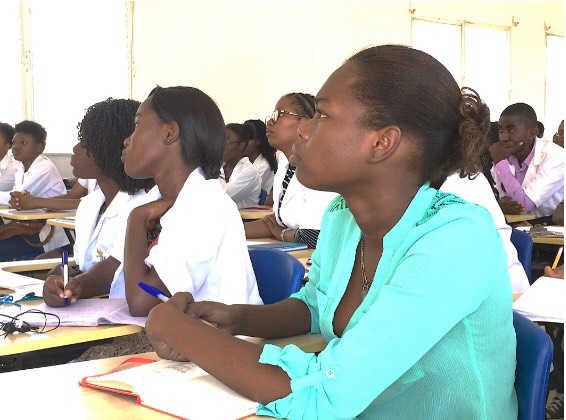 Students
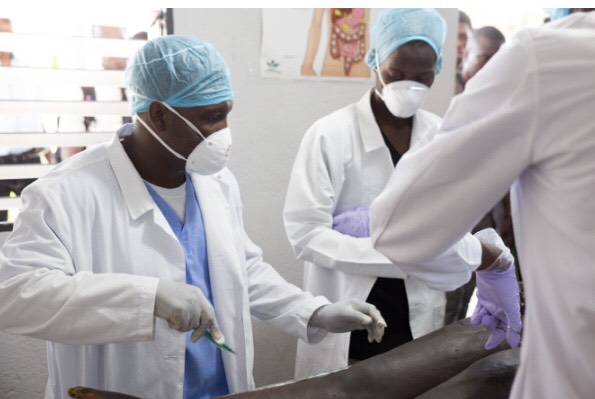
This year’s lecture series included a demonstration by medical students in the anatomy lab. Here are students practicing what they learned in class.
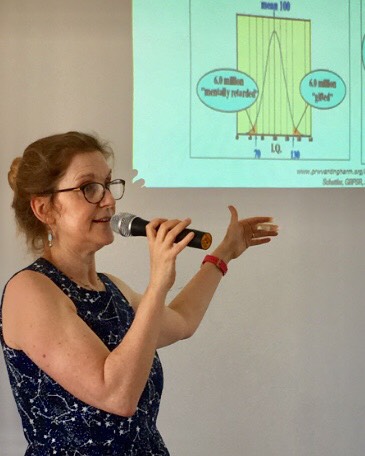 VISITING INSTRUCTORS. UNIFA continues to recruit and welcome international professionals to guest lecture in its different specialized schools. This year, the Medical School welcomed back Dr. Amelia Burgess. Dr. Burgess spent 4 days, during each of both semesters, teaching a class on toxicity to 4th year medical students and offered a university-wide lecture on lead poisoning.
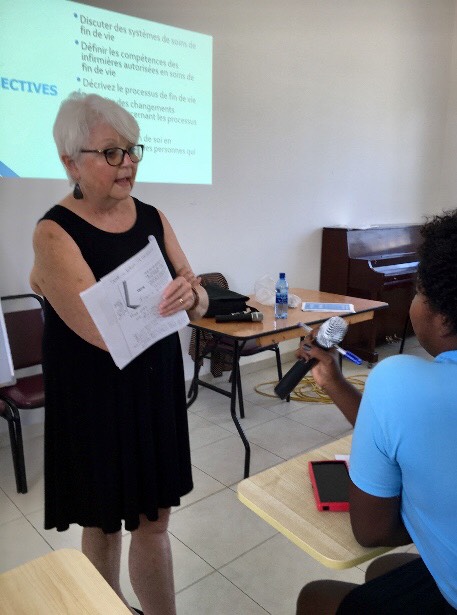
During the spring semester, Kathy Roberg, a registered nurse from Wisconsin with over 40 years of experience in her field, guest lectured for students in the Nursing School. Ms. Roberg spoke on the important and rarely discussed topic of palliative care (end of life care).
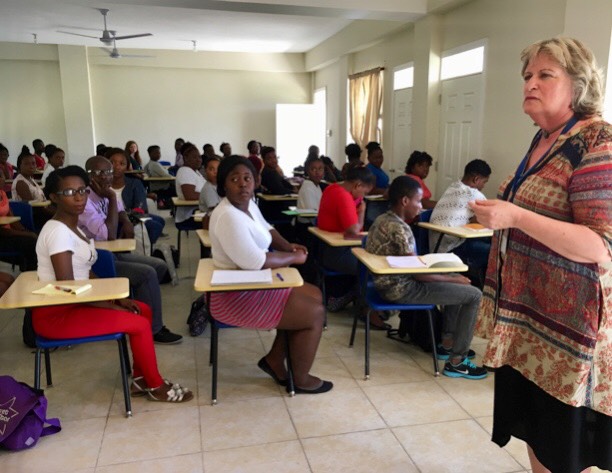 Terry Haag, RN, is also from Wisconsin, and has an impressive career in nursing education. Ms. Haag is currently in private practice as a cranial-sacral and acupuncture practitioner. Ms. Haag guest lectured at the School of Physical Therapy where she presented a class on stress and demonstrated a technique called SEVA acupressure.
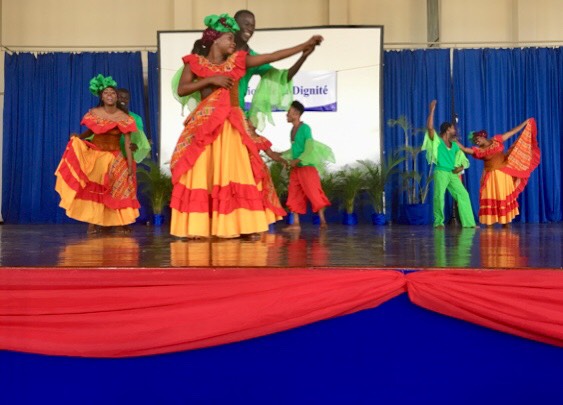
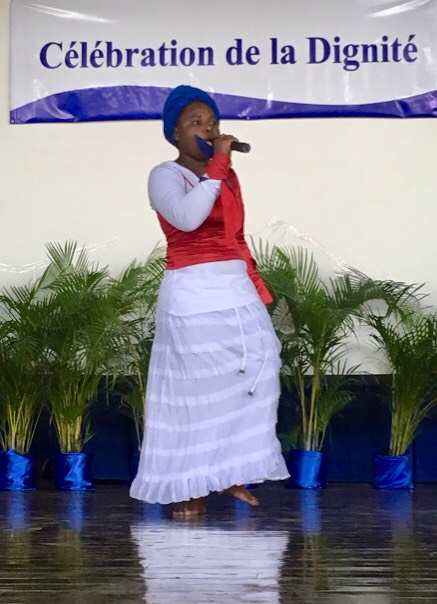
SNAPSHOT OF STUDENT LIFE. UNIFA marked the end of the fall semester with the Celebration of Dignity presenting Haitian culture with music and dance. It was an opportunity to showcase student talent. The special guests were former dancers from the Lilianne Gauthier foundation and the St. Trinité Orchestra.
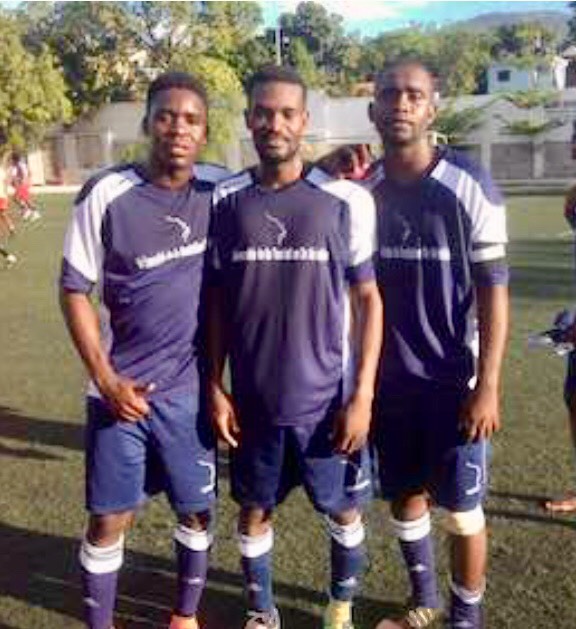
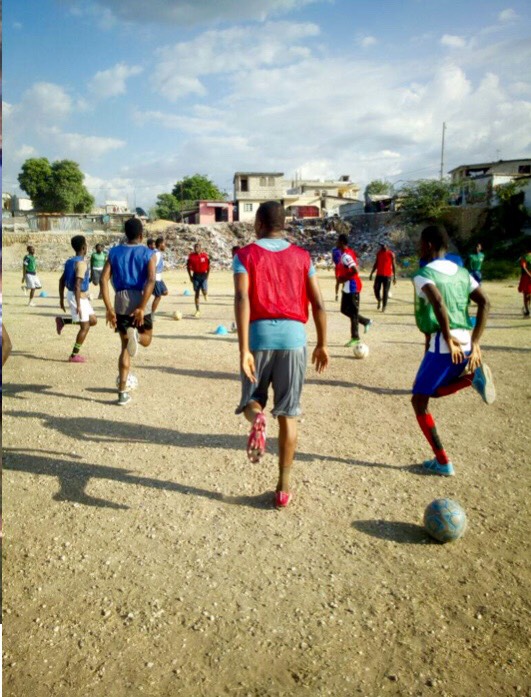
The UNIFA football squad had a busy and successful year: in June they reached the finals of the inter-university league.
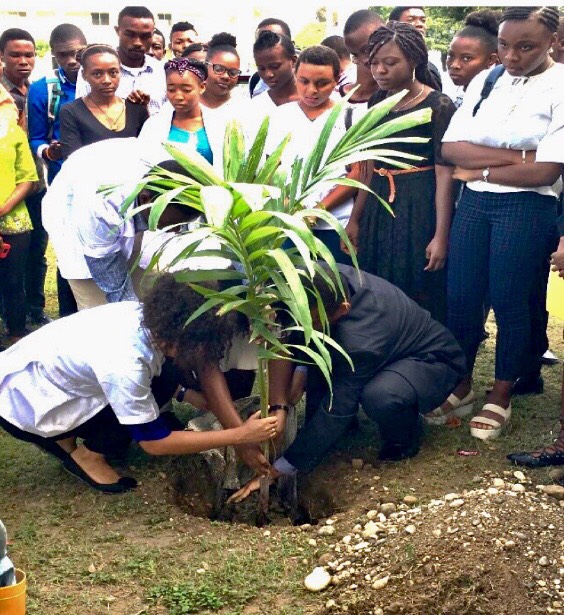
In commemoration of Toussaint Louverture, students planted a royal palm tree on campus.
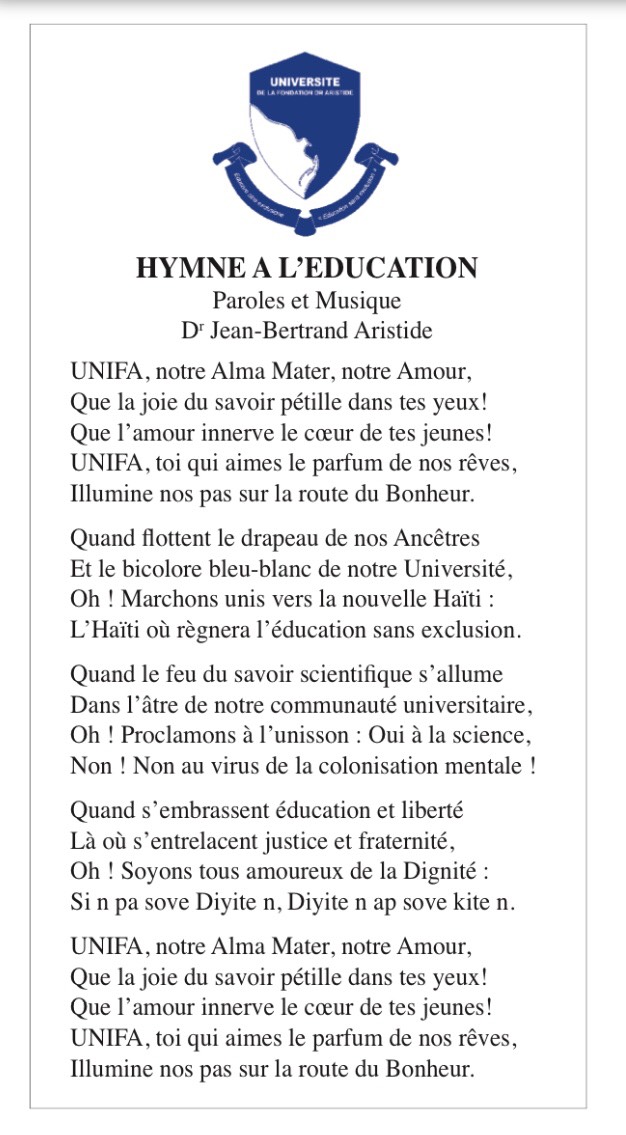
ENGLISH TRANSLATION
Hymn to Education. Words and Music by Dr. Jean-Bertrand Aristide
UNIFA, our alma mater, our love!
May the joy of knowledge shine in your eyes!
May the heart of your youth be innervated by love!
UNIFA, you who loves the perfume of our dreams,
Lights our steps on the path of happiness.
When the flags of our Ancestors,
And the blue and white bi-colors of our University float,
Oh! Let us march, united towards a new Haiti.
The Haiti where education without exclusion will reign.
When the flame of scientific knowledge is lit
In the hearth of our University community
Oh! Let us proclaim in unison: Yes to science,
No! No to the virus of mental colonization!
When education and liberty embrace
Where justice and fraternity intertwine,
Oh! Let us all be lovers of Dignity:
If we do not rescue our Dignity, our Dignity will leave us.
UNIFA, our alma mater, our love!
May the joy of knowledge shine in your eyes!
May the heart of your youth be innervated by love!
UNIFA, you who loves the perfume of our dreams,
Lights our steps on the path of happiness.
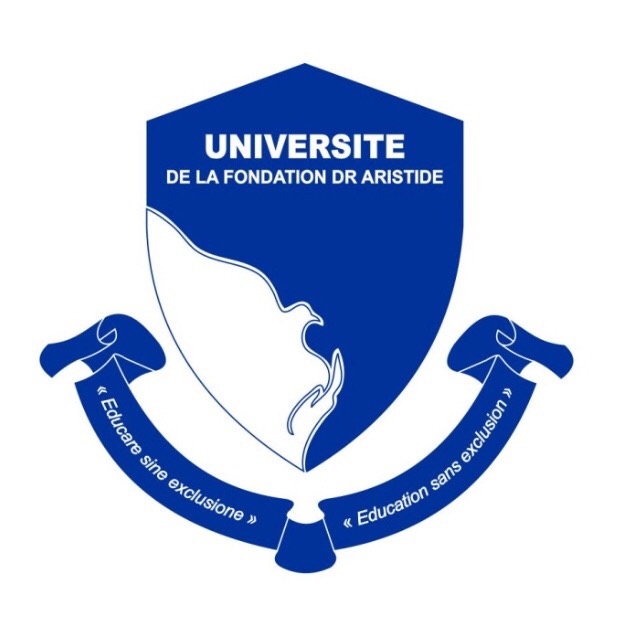
UNIFA used its 2018 graduation to premier its new school song, Hymn to Education, and its official seal.
We thank all our friends and supporters for continuing to stand with us as we enter our 8th year – renewed, reenergized and prepared to expand quality higher education to all Haitians.

Democratic Space in Adverse Times: Milestone at Haiti’s University of the Aristide Foundation

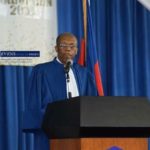
Dr. Jean-Bertrand Aristide addresses UNIFA’s first graduation ceremony

April 20, 2018
Democratic Space in Adverse Times: Milestone at Haiti’s University of the Aristide Foundation
by Leslie Mullen
March 18, 2018, marked exactly seven years since Haiti’s former President Jean-Bertrand Aristide and Mrs. Aristide returned to Haiti from forced exile in South Africa, where they lived following the 2004 coup d’etat that overthrew Haiti’s democratic government. On their return, they began to rebuild the University of the Aristide Foundation[UniFA] whose land and buildings had been appropriated, converted to military barracks and trashed by U.S. and Brazilian troops during the coup.
On the 7th anniversary of that historic return, UniFA held its first graduation ceremony in Port-au-Prince, Haiti. A delegation of Haiti solidarity activists from the U.S. was honored to be there representing Haiti Action Committee, Black Alliance for Just Immigration, Global Women’s Strike, and the Haiti Emergency Relief Fund.
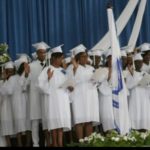
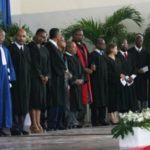
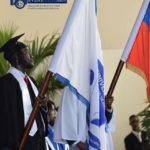
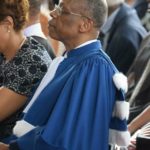
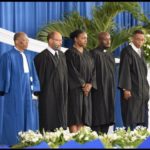
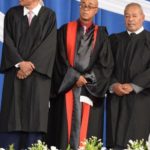
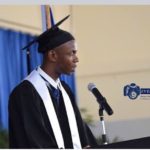
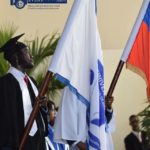
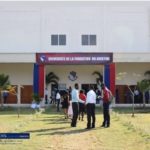
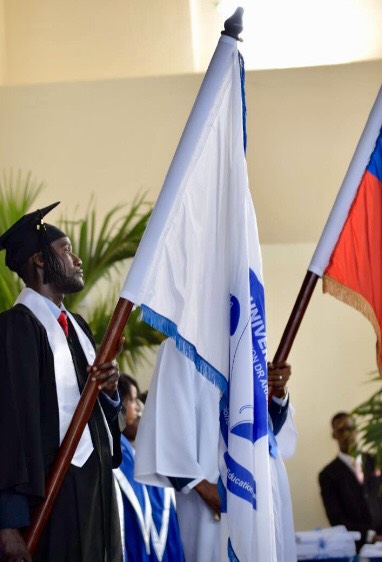
In a joyous celebration attended by over 1000 people, UniFA graduated 77 doctors, 46 nurses and 15 lawyers. The setting was beautiful, the stage decorated with flowers and banners in the blue and white colors of UniFA. The famed Philharmonic Orchestra of Sainte-Trinite played Haitian folk music as well as classical music throughout the event. Cameras were everywhere to record the occasion, which was widely and prominently reported in Haitian media. The UniFA choir, joined by the entire audience, sang Haiti’s national anthem, and later the song of UniFA. Two young men carrying the flags of Haiti and UniFA proudly led the procession of Faculty at the opening of the ceremony. As a child, one of them – soon to become a UniFA graduate – lived at Lafanmi Selavi, the center for street children founded by Aristide when he was a priest. His success is an example of the university’s commitment to overcome social barriers limiting access to higher education. “Education sans exclusion” – education without exclusion – is a central theme of UniFA, imprinted on its logo and manifest in every detail of this remarkable event. The exhilaration that infused the occasion spoke to UniFA’s broader commitment, expressed by Mrs. Mildred Aristide, “to break down the long tradition of exclusion of the poor majority in Haiti from access to higher education.”
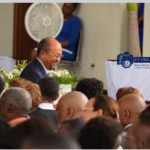
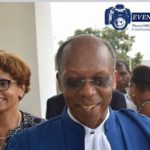
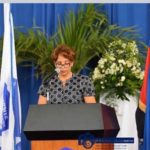
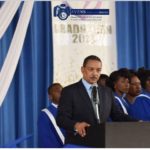
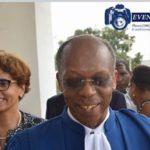
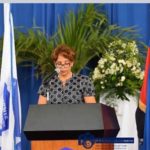
At the podium, Dr. Jean-Bertrand Aristide, President of UniFA, stood to address the gathering. His speech emphasized that the University’s role is not only to instill academic knowledge, but to promote ethical lives and nurture students’ relationship with their community. He spoke of the African philosophy of Ubuntu, which recognizes that the essence of social consciousness can be expressed as “I am because we are” – a person becomes a person through community. Dr. Aristide said that “it is not easy to eradicate evil at a macro level. But, on a micro scale, you can fight it rationally.” He noted that, “on a global scale, science is advancing, consciousness is declining. May your professional conscience contribute to the awakening of social consciousness.”
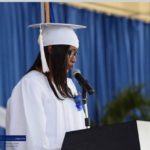
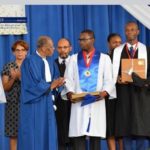
To highlight this point, towards the end of the ceremony, each graduating class – MDs, nurses, and lawyers – pledged their commitment to serve their people. In a country with fewer than two doctors for every 11,000 people, UniFA’s graduate physicians are already practicing medicine in regions throughout Haiti where formerly there were no doctors. It is a hopeful victory in difficult times.
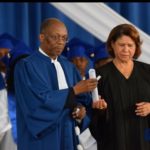
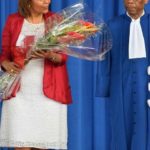
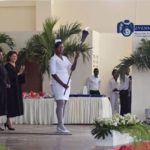
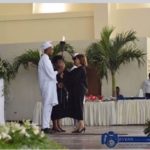
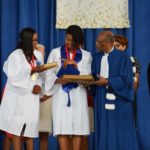
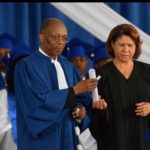
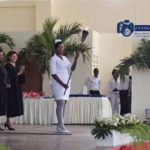
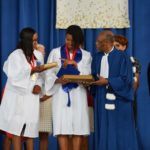
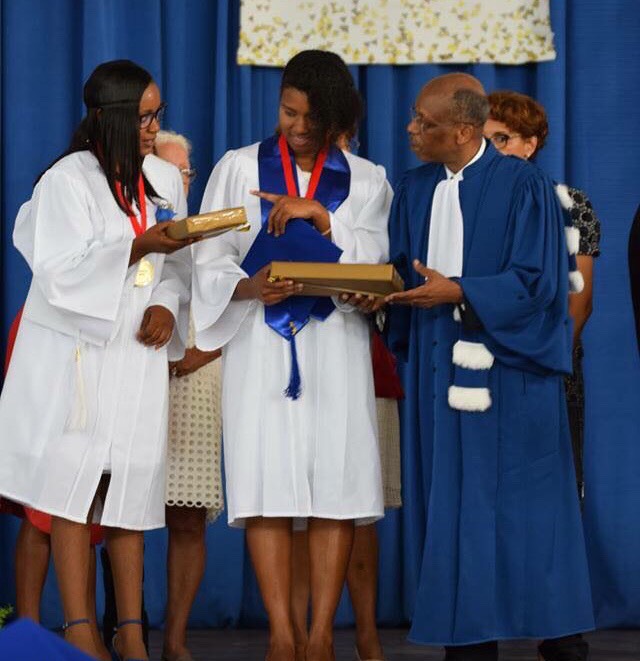
After all the graduates received their diplomas, there was a “passing of the torch” ritual during which graduates from each program passed a flaming torch to a student from the upcoming class. Gifts were presented to the valedictorians, and finally, the graduates celebrated with friends and family under an outdoor pavilion on the beautiful campus. Long years of effort to reach this day were visible in faces filled with grace, joy and pride.
One of UniFA’s chief architects, Mildred Aristide, an attorney and Haiti’s former First Lady, describes the university’s broader mission to nourish democratic space within an undemocratic country: “Haiti vitally needs a safe space where young people can come together, think country and construct a future under difficult circumstances…An institution that will address national issues and seek viable solutions to national problems. Dreams of working, prospering and changing Haiti – not chasing after a foreign visa or a job with a foreign NGO. This is UniFA’s commitment.”
UniFA was born out of Haiti’s grassroots struggle for democracy during President Aristide’s second administration in 2001. It recruited medical students from poor families in each of Haiti’s nine departments, equal numbers men and women. Talented young people from rural Haiti previously found it nearly impossible to attend medical school. UniFA sought them out, asking only their commitment to return to work in communities throughout Haiti after completing their training. By 2004, 247 medical students were studying medicine at UniFA. A School of Nursing was planned to open in the fall. The February 29, 2004 coup d’etat brought all of this progress to a halt. The faculty and staff were forced into exile or hiding within the country. United Nations and U.S. military forces drove the students off campus, turning the site into military barracks. The campus remained under the control of foreign forces until 2007 when it was officially turned back over to the Aristide Foundation for Democracy.
The University opened with three goals: 1) to prepare doctors to care for the poorest of the poor; 2) to increase the number of doctors practicing in rural areas; 3) to break down the long tradition of exclusion of the poor majority in Haiti from access to high education. Today, UniFA has expanded its scope to offer degrees in medicine, nursing, dentistry, engineering, law, physical therapy and continuing education.
From exile in South Africa, a month before his return, President Aristide spoke about education: “Education has been a top priority since the first Lavalas government – of which I was president – was sworn into office… on 7 February 1991 (and removed a few months later). More schools were built in the 10 years between 1994, when democracy was restored, and 2004 – when Haiti’s democracy was once again violated – than between 1804 to 1994: 195 new primary schools and 104 new public high schools constructed and/or refurbished.” The Aristide government mandated that 20% of the national budget be directed to education. For the first time in history, Haiti began to implement a Universal Schooling Program aimed at giving every child an education.
Aristide reaffirmed that, “As I have not ceased to say since 29 February 2004, from exile in Central Africa, Jamaica and now South Africa, I will return to Haiti to the field I know best and love: education. We can only agree with the words of the great Nelson Mandela, that indeed education is a powerful weapon for changing the world.” UniFA’s graduation is a significant step towards transforming these words into reality. It is a remarkable accomplishment to have been realized in seven years.
While UniFA flourishes, elsewhere in Haiti education is under attack. Successive neo-colonial governments imposed by the United States by means of phony elections have been plagued by widespread corruption, leaving Haiti’s public sector on the brink of paralysis. According to Dr. Aristide, “Like metastatic cancer, institutionalized corruption devours our social fabric, the future of our children and Haitian youth. The exodus of our young people stems from this cancer.” Nearly 1% of Haiti’s population left the country last year headed for Chile, a mass exodus driven by young people, and especially the rural poor. Many young people who want to attend college leave the country. There are now 54,000 Haitian students attending universities in the Dominican Republic.
Haiti’s former President Michel Martelly, who rose to power with U.S. support, made an empty promise guaranteeing free education funded by a tax on telephone calls and money transfers. Instead, many teachers haven’t been paid in as many as two years. Where is that money? Teacher strikes are met with growing repression and students from college age to grade school join striking teachers to demand the government pay teachers’ salaries. Everyone wonders what happened to the missing $3.8 billion from Venezuela’s Petrocaribe program. Under Petrocaribe, Haiti was supplied with oil at a favorable price with flexible credit. The benefit to Haiti, estimated at approximately $3.8 billion, was intended to combat poverty. All reports indicate that the funds were stolen and misappropriated by the past two governments.
The State University of Haiti closed the schools of Humanities, Law and Ethnic Studies due to ongoing strikes and protests. Last fall, police attacked school children with tear gas in Les Cayes as they supported their teachers’ strike. In the north, hundreds of school children marched to demand, “We don’t want an army; we want education” last November. The students were saying no to the government’s plan to restore the dreaded Haitian military, disbanded by Aristide, which formerly consumed 40% of the state budget. They demanded that the money instead be used to pay teachers their long overdue salaries.
UniFA speaks to the urgent need for democratic progress that has been denied Haiti during fourteen years of U.S./UN military occupation. Failed government promises contrast with the solid achievements of this people’s university, highlighting its importance as a living example of democracy in practice. “I like to tell visitors that they are standing on sacred ground” says Mildred Aristide. She continues, “This is not hyperbole. The stakes and the country’s needs are too high. UniFA is a national project that is slowly revealing itself to be a national institution in the service of the country.”
Leslie Mullin is a retired medical research administrator, social justice activist, and member of Haiti Action Committee