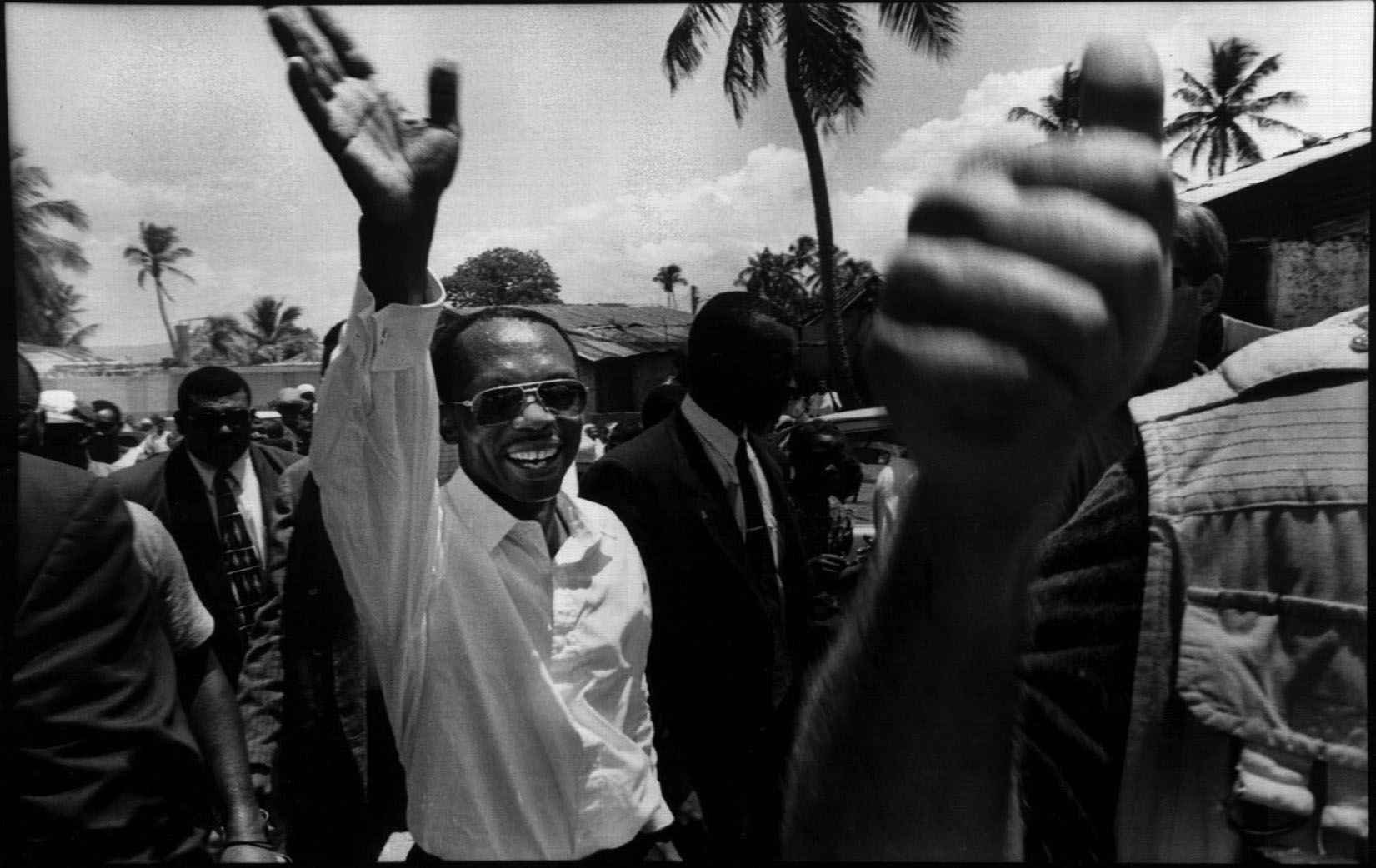
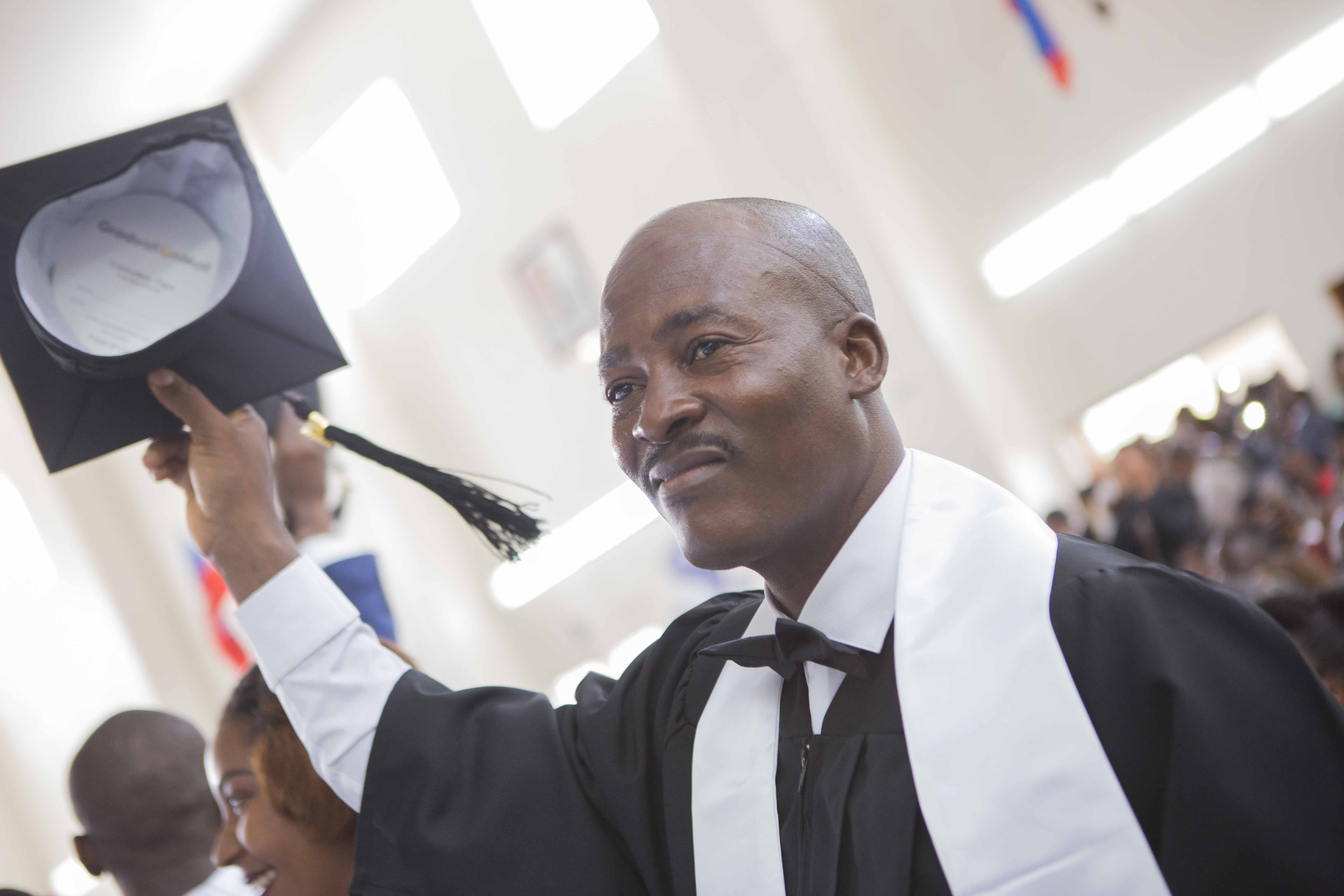
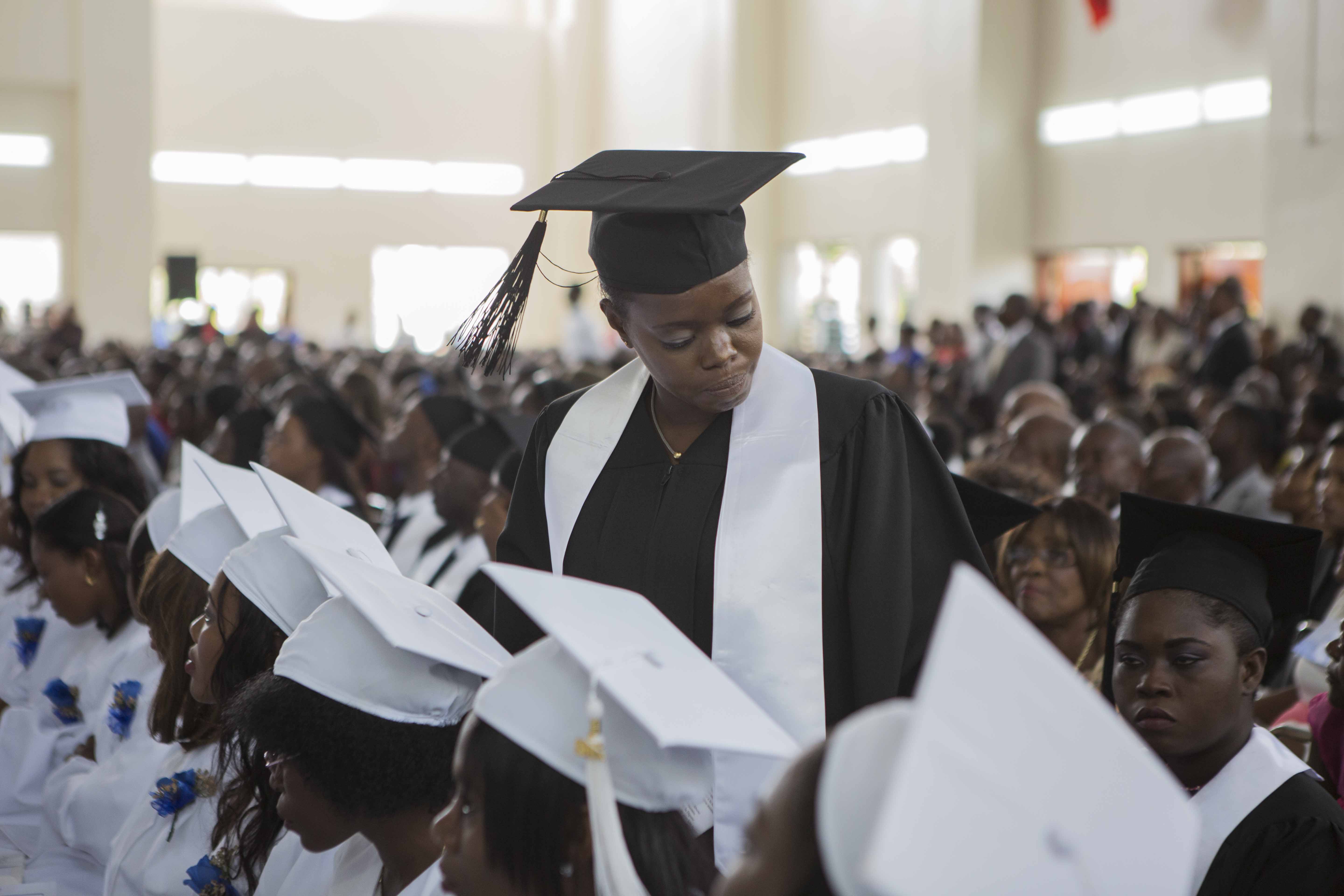
Dr. Jean-Bertrand Aristide addresses UNIFA’s first graduation ceremony
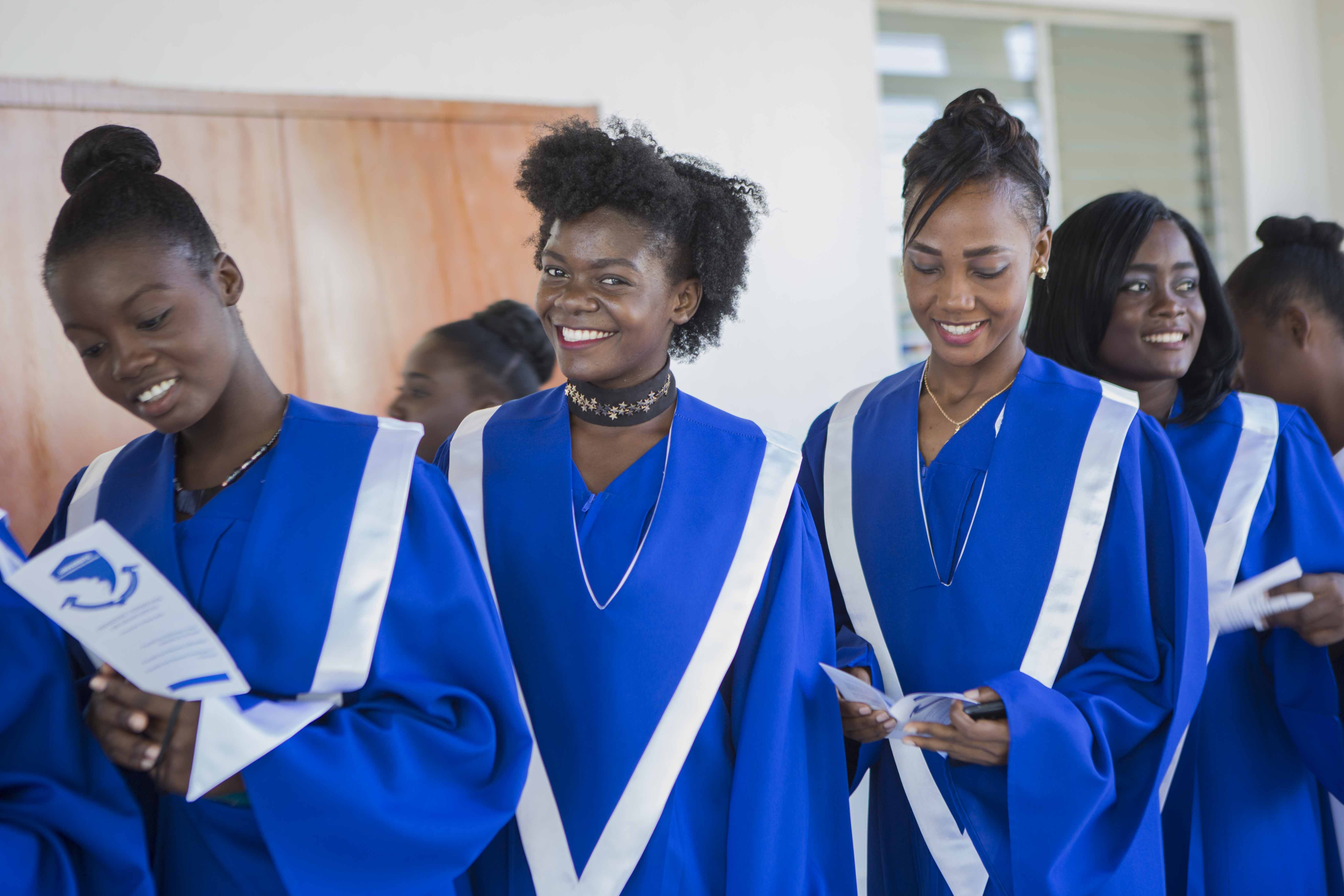
Speech by Dr. Jean-Bertrand Aristide at first graduation ceremony at UNIFA, the University of the Aristide Foundation. 77 medical students, 46 nursing students and 15 graduated law students in UNIFA’s first graduation ceremony held on March 18, 2018.
Dr. Jean-Bertrand Aristide
Official Translation from French/Creole to English
UNIFA Graduation Ceremony
March 18, 2018
Distinguished Members of the Board of Administration of UNIFA,
Distinguished Members of the Rectorate, Deanships and the Professorial Corps,
Dear Friends in the 11th Department,
Distinguished guests, very dear parents,
Very dear recipients, very dear students,
Ladies and Gentlemen,
We, Mildred and I, have the singular honor to extend to you our warm greetings and cordial welcome to our first ceremony of conferment of diplomas.
Henceforth, March 18, 2018 and March 18, 2011 are inscribed in golden letters in the annals of UNIFA. After 7 years of exile the return home was necessary to rekindle the flame of education on this campus. A story that is captivating and inseparable from the historic welcome reserved for us as we moved from the Toussaint Louverture airport to the house.
(From Creole)
As you can see, March 18, 2018 and March 18, 2011 are twin dates.
Many million thanks for the many million people who were thirsty for this return.
A beautiful crown of thanks to every person who lent a hand,
To, together, water the garden of education with the rain of the return.
I am certain that Mildred and every members of the Board of Administration
Are happy to admire the beautiful seeds of hope flowering, blooming,
and ripening
From which the University will harvest many many diplomas, licenses and
doctorates.
Congratulations! Honor, respect for all of you! Bravo for all of you!
(From French)
Yes, gratitude is the memory of the heart. Dear recipients, dear students, may every fiber of our heart intone a symphony of gratitude for the Members of the Board, the Rectorate, Deanships, Professorial Corps, the legal counsel, all employees and friends of our University community! If the Board symbolizes a source of light, the Rectorate, the Deanships and the Professorial Corps represent the 3 first neurons of UNIFA’s visual field. Without the synchronization of these hierarchical structures, UNIFA would be like one struck by achromatopsia. That is, these bursting colors of our first graduation ceremony would not shine before our eyes. We address to them a special thanks on this memorable day.
Like you, dear recipients, the “Unifa-ristes” radiate with happiness. Here, they discover the taste of scientific knowledge. This is what we propose to all young people of every geographic, economic and social origin: Educare sine exlusione! Education without exclusion! Welcome to all of you, young women and men, hungry for scientific knowledge and burning with the desire to contribute to the renaissance of our dear Haiti. May the perfume of this graduation, yet infuse your future.
September 25, 2011, Mildred and I experienced the great joy of welcoming to our home 126 medical students. That morning’s encounter, where we explored the grand precepts of neurolinguistics, left an indelible imprint. Seven years later, I am addressing 138 recipients, and 1,687 students in medicine, dentistry, nursing, physiotherapy, law, civil engineering and permanent education. Rightfully, we tremble with joy in as we offer our sincere congratulations to you, dear recipients.
Because you fulfilled your responsibilities before your parents – whose hearts open to the fragrance of this celebration – your studies are today crowned with success. Here you are standing, proud and ready to join the grand family of legal and health professionals! The pride blooming in the faces of your parents, accompanied, of course, with innumerable sacrifices endured through the course of your studies. Let your hands express your gratitude towards them with a hearty applaud! Bravo to father and mother, to all those who allowed you to attain this noble goal!
Dear recipients, born with two eyes that open and close, you must be reborn with two eyes that open and never close. How do we define these special eyes? As organs? No. Indispensable eyes? Yes. Here are their names: Science and Conscience. On a global level, science progresses, conscience regresses. May your professional conscience contribute to the awakening of the social conscience.
To achieve this, I urge you to retain three celebrated words drawn from the Cradle of Humanity: Umuntu ngumuntu ngabantu. A person is a human being through other people. The quintessential essence of social conscience is found clearly in this philosophy of Ubuntu. I am because we are. The intelligence of our Ancestors invites us to re-read the history of Haiti with the eyes of the conscience. Indeed, for a word to be perceived either consciously or subconsciously, it needs only 275 milliseconds to travel through the retino-thalamic tract and the optical radiation. However! However! If the word perceived subconsciously disappears rapidly, the word read with the consciousness pursues its path across the cerebral cortex. One example: in 575 milliseconds it reaches the parietal cortex. It is my ardent wish that these precise biological underpinnings of consciousness motivates us to read our history with new eyes. There, we will discover not “shithole”, but the sap of human dignity. Respect for every person’s dignity. Dignity is inherent to human nature. From the scientist to the illiterate person, from the Black human being to the White, we are all born free, equal in dignity and before the law.
(From Creole)
This is why we say with great conviction:
In order for our lamp of education to shine,
It must have a wick of science and gas of conscience.
Yes! Gas of conscience, or petro-conscience.
Petro-conscience to guard over petro-Caribe.
(From French)
Dear recipients, you can, yes you can contribute effectively and humbly to the awakening of the collective conscience. After receiving good grades in exams in anatomy, constitutional law, ethics … you need to achieve good grades for the exam in conscience.
Pursuant to Article 6 of our Constitutive Act, critical conscience is not an ordinary subject; rather it is a fundamental subject. You will need it “semper et ubique”, that is always and everywhere. Eradicating evil at the macro level is not easy. But at the micro level, you can combat it rationally.
Combatting corruption in the schools, the universities, the public and private sectors
is the obligation of ethics. We must, as educators, fulfill our responsibility of conscience. Like a metastatic cancer, institutionalized corruption devours our social fabric, the future of our children and of the Haitian youth. The exodus of youth is a product of this cancer. Where there are a multitude of corruptors suffering from hemispatial neglect and anosognosic corruptors, we must, with great urgency, prevent a social collapse. “Non impedire malum, favet.” He who does not prevent evil, favors it, exclaimed Ciceron.
Dear Sisters and Brothers, Haiti could not prevent the January 12, 2010 earthquake. But we must absolutely avoid and repulse this social collapse or social earthquake, and then honor Haiti in Dignity. Science and conscience lead to social cohesion, economic solidarity and of course education without exclusion. These two beacons of light illuminate the royal path that will lead humanity to a civilization of love.
In renewing my love and determination to always be in your service, allow me to
conclude with this wish: Dear recipients, born one day with two ocular globes, may you be re-born every day through these two illuminating globes: Science and Conscience. So, to you, Success! Happiness and Much Love!
Thank you.
Dr. Jean-Bertrand Aristide
(1) Under Venezuela’s Petro-Caribe program, Haiti was supplied with oil at a favorable price and under a flexible credit mechanism. The benefit to Haiti, estimated at approximately $3 billion, were intended to combat poverty. All reports indicate that the funds were stolen and misappropriated by the past two governments. An unprecedented act of state corruption.
UNIFA, the University of the Aristide Foundation, June 2017 Newsletter
UNIFA needs your help to complete construction of its Diagnostic & Primary Care Center. Please DONATE today!
As the 2016-17 academic year draws to a close, here is an update of another year of challenges and progress achieved through the hard work of our professors, students, support staff, academic leadership, Board of Administration and you, Friends of UNIFA.
Hurricane Matthew
We opened the year against the backdrop of a category 4 hurricane, Matthew: the worst storm to strike Haiti in more than 50 years, the worst natural disaster since the 2010 earthquake. The number of people killed is estimated at upwards of 1,400. Up to 80% of the homes and buildings in the south and southwest region of the country were damaged. Cities were flooded, bridges and roads washed away, livestock and harvest lost. The landscape forever altered. A region of 2 million people, rich in fruit trees and agricultural production was left unable to produce food. A week after the storm, President Aristide visited some of the hardest hit areas, bringing the Foundation’s contributions of food, clothing and emergency kits. UNIFA stepped in to offer scholarships to affected high school seniors, and in January welcomed 35 students to live in available campus housing for the spring semester. All fees were waived.
UNIFA Offers Two New Disciplines
Last year groundwork was laid for opening the School of Engineering. A dean was appointed to head the department, begin recruitment, and oversee a four month pre-engineering course for prospective students. In October, 59 students enrolled in the four year program. Currently, the two concentrations available are computer science and civil engineering. At the end of this spring semester, an electrical engineer was appointed to design a third program in renewal energy.
Until this year the State University had the only accredited School of Dentistry in Haiti. But with only an average of 25 graduates a year, the number of dentists for a population of 10 million plus, is unacceptable. This year UNIFA recruited 39 students for its first class at the School of Dentistry. These students joined medical and physical therapy students in the first year of a two year common core science curriculum.
Sixth Year Medical Internships
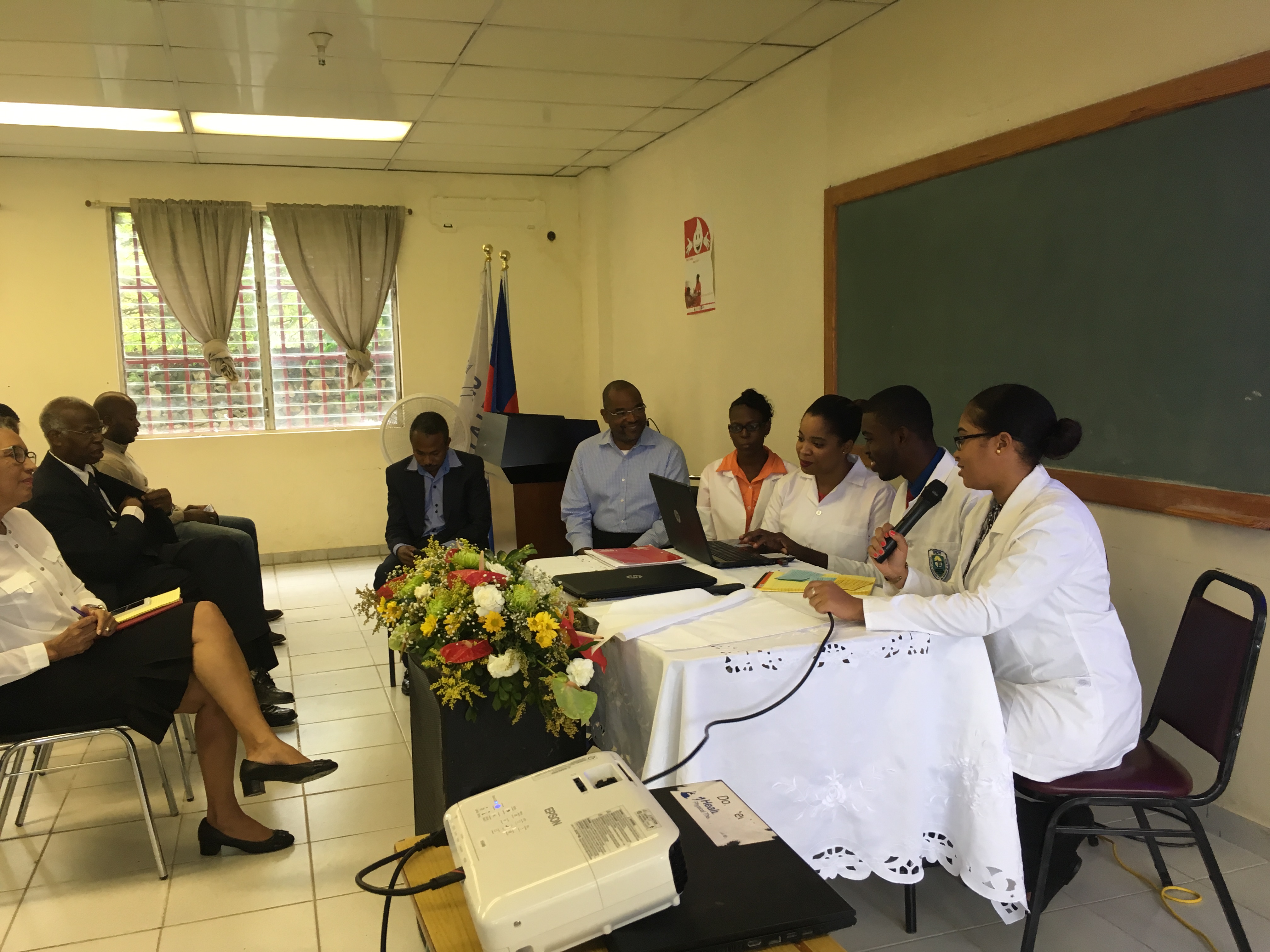
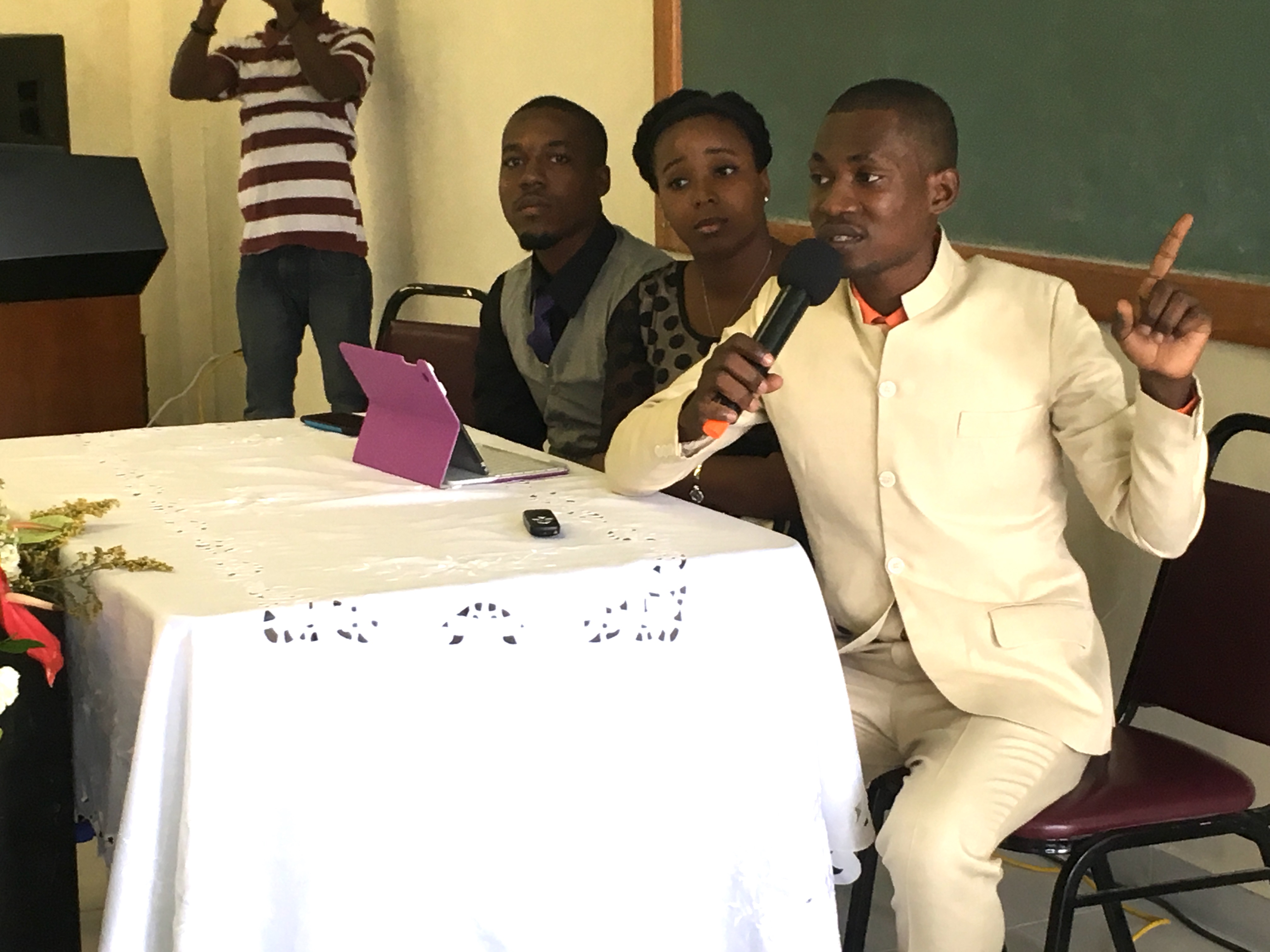
In January 2017 the Medical School reached an important milestone with the placement of 72 sixth year medical students in a yearlong rotating internship program at 3 public hospitals: Hopital Universitaire Mirbalais; Hopital Universitaire La Paix; and Hopital la Providence Gonaives. In May a group of interns returned to campus to report on their experiences. They shared the real life challenges of working in under resourced facilities where poor patients are expected to purchase basic items like bandages and syringes. They explained how they confronted – and got around – patients and family members with religious beliefs that could have impeded their receiving care. They ventured beyond the hospital to meet patients in the remotest areas of the country, seeing firsthand the extent of the health care crisis in Haiti. And they learned how to be creative, like befriending a carpenter who offered them unused wood planks that they learned to use as splints.
Anatomy Lab
Another important milestone for the Medical School was achieved with the opening of the anatomy lab in March. Students are now able to perform dissections as part of their anatomy class.
UNIFA has been asked, and has agreed, to make the lab available for use by medical students enrolled in other universities. The lab sits in the south west corner of campus, adjacent to the location dedicated for the university hospital.
Library
Closer to the main hub of campus, next to the auditorium, sits UNIFA’s library. This Spring Semester, a foundational collection of just over 6,000 books were cataloged, labeled with call numbers and shelved. This first phase of the work was led by a trained librarian who headed up a team of 10 people. The second phase will involve the acquisition of more books and computers to offer students access to online sources.
Special Lectures and Conferences
The Law School welcomed several guest lecturers this year. In December, and then again in May, UNIFA VP for Institutional Development Erin Daly gave lectures on international environmental law to 4th year students. Later in December Brian Concannon, director of the Institute for Justice and Democracy in Haiti, briefed law students on the cholera case against the United Nations. After explaining the underlying substantive and procedural issues, Brian focused on the strategy deployed in creating a coalition of grassroots organizations, lawyers, law students, scientists, universities, human rights activists, and the media to bring attention and support to the demand for reparation and damages for the victims of this injustice.
In early March, UNIFA human rights lecturer Nicole Philipps hosted USC Hastings Law Professor Christen Lin and 5 Hastings students, in her first year human rights class. The presentation centered on the legal basis for recently signed US executive orders on immigration. The Hastings students led a discussion on the different ways that lawyers and rights training can empower immigrants and citizens against wrongful action by the state. The following week a delegation of Haitian American students from Howard Law School joined first year UNIFA law students in discussions on issues surrounding environmental law.
In April UNIFA commemorated the 214th anniversary of Toussaint Louverture’s death with a university-wide conference on Toussaint’s legacy.
2017 Science Week at UNIFA
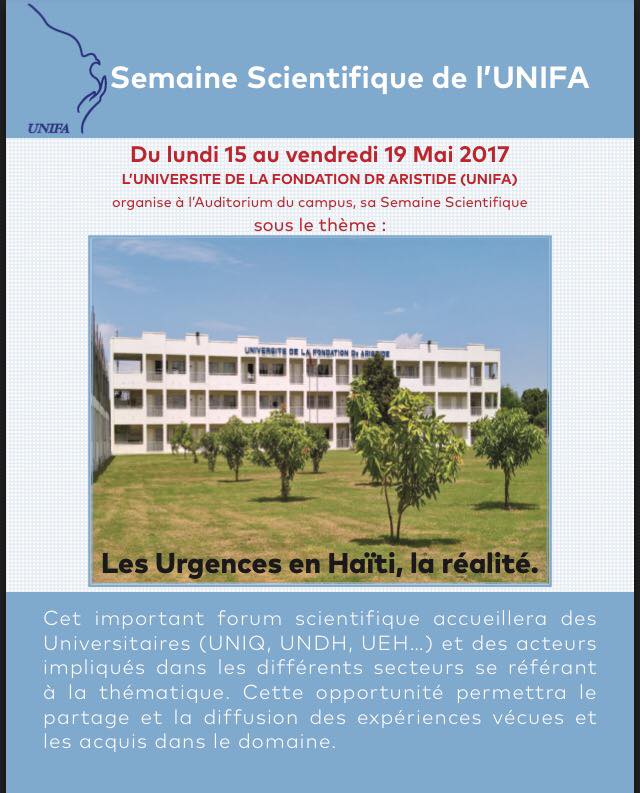
Semaine Scientifique (Science Week)
May 15-19, UNIFA hosted its third annual weeklong conference series under the unifying theme: The reality of emergency in Haiti. Invited guest lecturers included the head of the emergency department at a UNIFA partner institute, as well as other noted physicians experienced in emergency care in under-sourced and staffed health care facilities. It was clear, that blame for the record high incidences of medical emergencies in Haiti, are attributable to poverty.
But the week’s 15 lectures were not confined to health care. Topics addressed ranged from the environmental crisis; handicap access; fire safety; ecosystem and land management; energy production; and education.
Rightfully, emphasis was placed on the environment. Currently, Haiti is the third most vulnerable country at risk of climate change damage. One professor of agronomy from the State University explained how better protection of the country’s water catchment areas, mangroves, and vegetal coverage can minimize the impact of natural catastrophes.
While in another presentation, an entire overhaul and rethinking of land management and use in Haiti – particularly in the capital – was advocated. Roots of some aspects of the problem were traced to 3 historical factors: (1) the construction of colonial cites on the coast in order to facility the slave economy; (2) deforestation over enormous tracks of land to build sugar, indigo and cacao plantations; and (3) the forced payment of the 150 million gold franc debt to France through the sale of the country’s precious wood.

Joel Vorbe and entrepreneur Emmanuel Desquiron shared their challenges as individuals living with physical handicaps in a country ill equipped to accommodate them. Beyond access ramps and elevators, both urged students to consider professions where innovation, treatment and new research can help change the quality of lives for all Haitians living with mental or physical disability.
The week was also an opportunity to invite the Haitian Red Cross to organize a blood drive on campus and offer first response training to students.
The conference series closed with a presentation by the Rector of Université Quisqueya. He offered a sweeping look at a broad range of social, economic, and environmental indices in Haiti – all of which point to a country in need of critical thinking to tackle the emergencies afoot. His message to students was to resist a passive or reactive form of emergency planning. To instead engage in a deeper, research based analysis within each student’s chosen area of study.
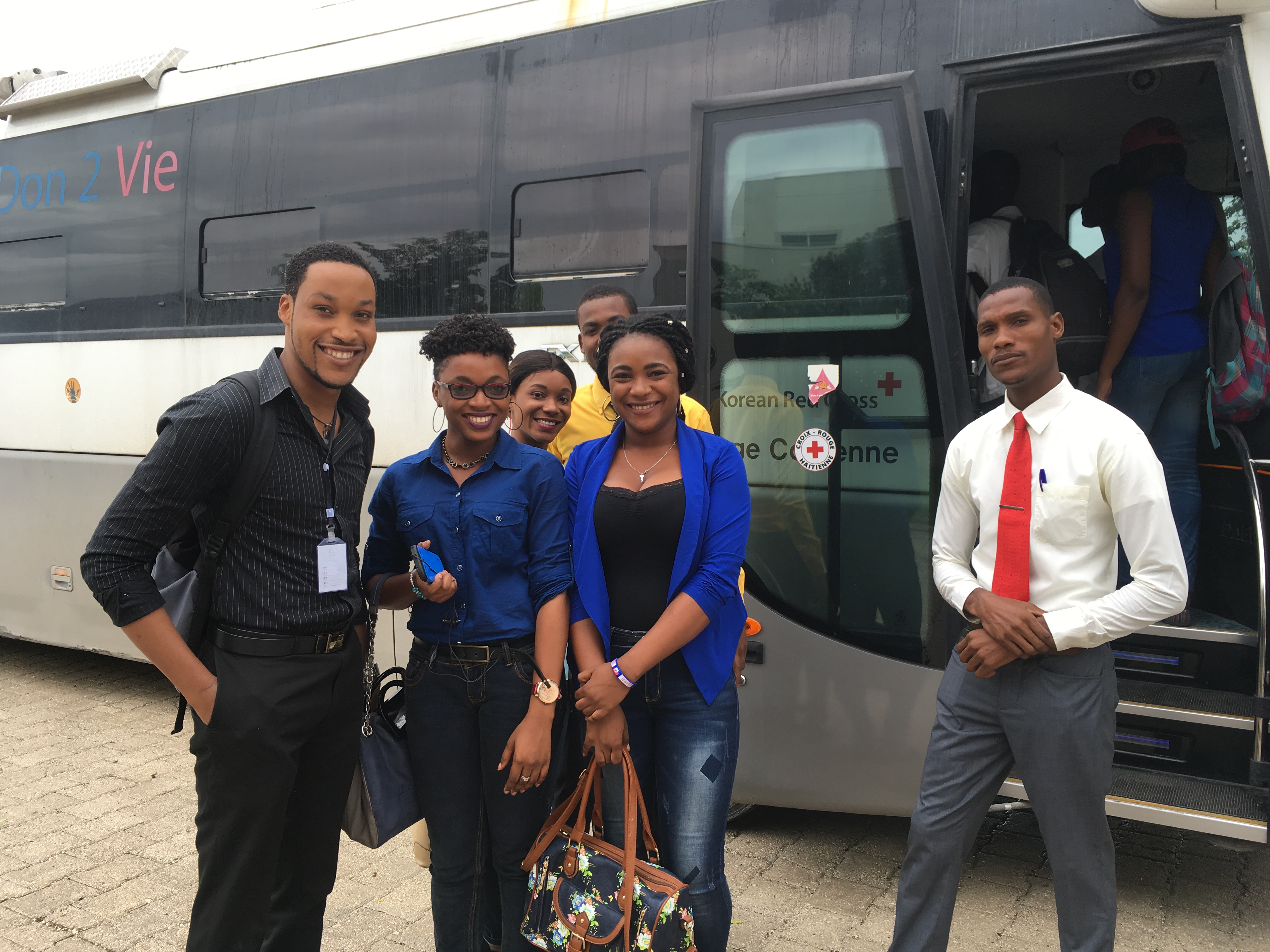
Red Cross blood donation bus visits UNIFA during Science Week. Students volunteered to donate blood.
Community Service
Medical and nursing students participated in three of the mobile clinics organized at the Foundation this year. In the three events combined, upwards of 750 members of the community were able to consult with a physician and receive free medication.
In January, as part of its outreach program, area high school seniors were invited to an open house and discussion on educational opportunities available at UNIFA, followed by a friendly game of football.
School of Continuing Education
From February to June the School of Education offered a certificate course on cellphone and lap top repair at the Foundation. Classes were taught by instructors from the School of Engineering and are open to youth in the community who are not on a university track and to anyone wanting to learn a useful skill.
Civic Education Program
In March, Erin Daly and former UNIFA visiting instructor Patrick Keenan (University of Illinois College of Law) traveled to Haiti with Michael Maya, Director of the International Bar Association – North America (IBA), to explore the possibilities of implementing an IBA funded Civic Education Program. After this onsite visit and further discussions with Ira Kurzban, the IBA and Partnership for Education, Democracy, and Health in Haiti (PEDHH) have reached agreement to fund the program at UNIFA. The primary goal of this initiative is to increase awareness and understanding of basic principles of law and rule of law among the Haitian population with particular attention to Haiti youth. Radyo and Tele Timoun, (the Foundation’s children’s educational radio and television stations) will facilitate execution of this program.
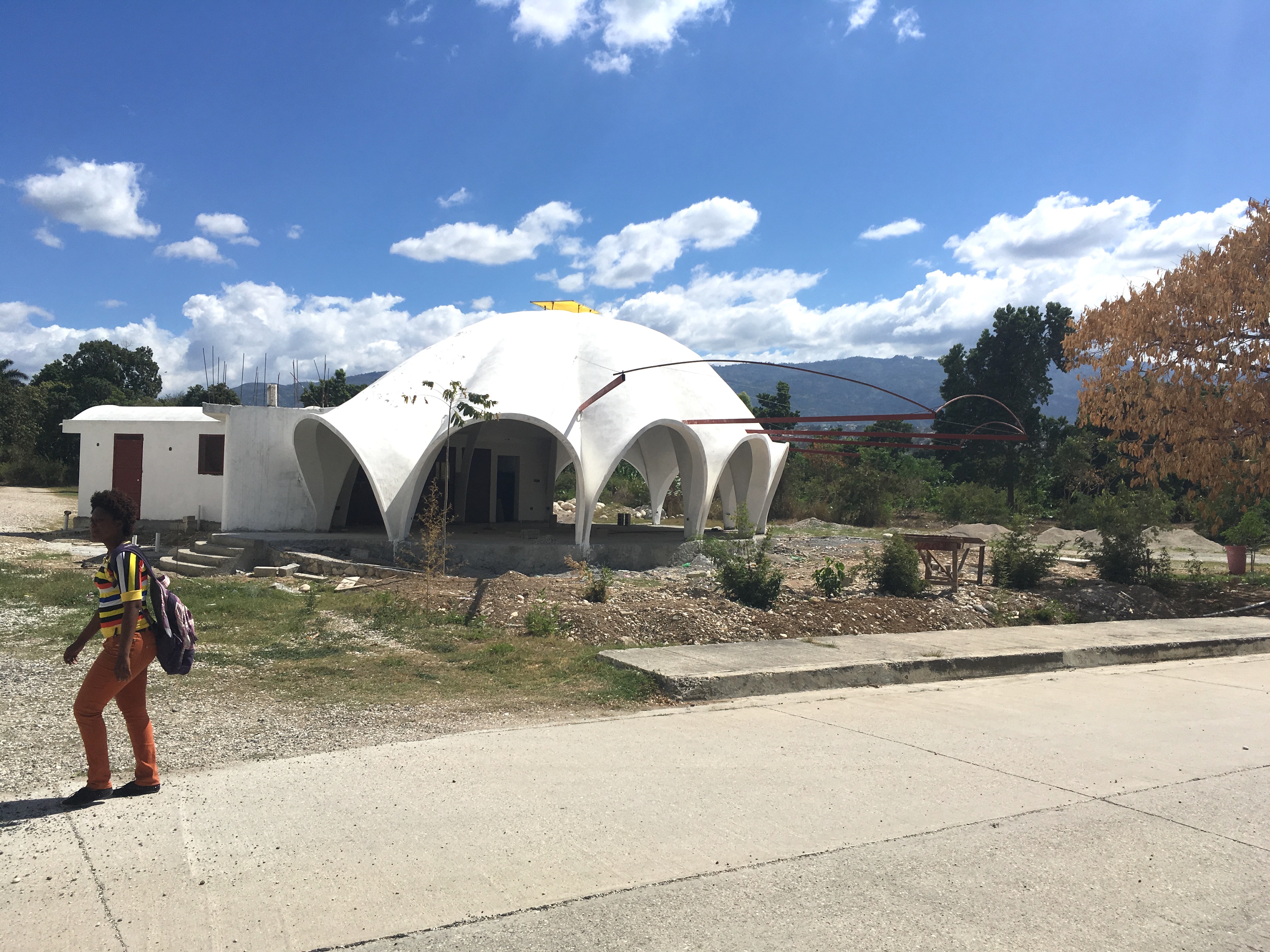
New UNIFA cafeteria
Construction
Five significant construction projects were completed this past academic year:
- A second level to the School of Law building to accommodate the School of Engineering and Research
- A second level to the building that temporarily housed the cafeteria and is now being transformed into the library
- The anatomy lab
- A new cafeteria
- The first phase of a second level to the School of Physical Therapy building which will, in the near future, house the School of Dentistry
Looking Ahead …
Recruitment for next year begins in July. The student population will certainly reach the 2000 mark (we end the year at 1400); new professors and deans will join our ranks; we will continue to keep student fees as low as we can; and UNIFA will continue to strive towards inclusion and excellence in higher education in Haiti. And importantly, we will be one step further in attaining our long term goal of founding a university teaching hospital.
Visit www.FriendsofUNIFA.org website
Honoring Haiti’s Mothers and the late Father Gérard Jean-Juste
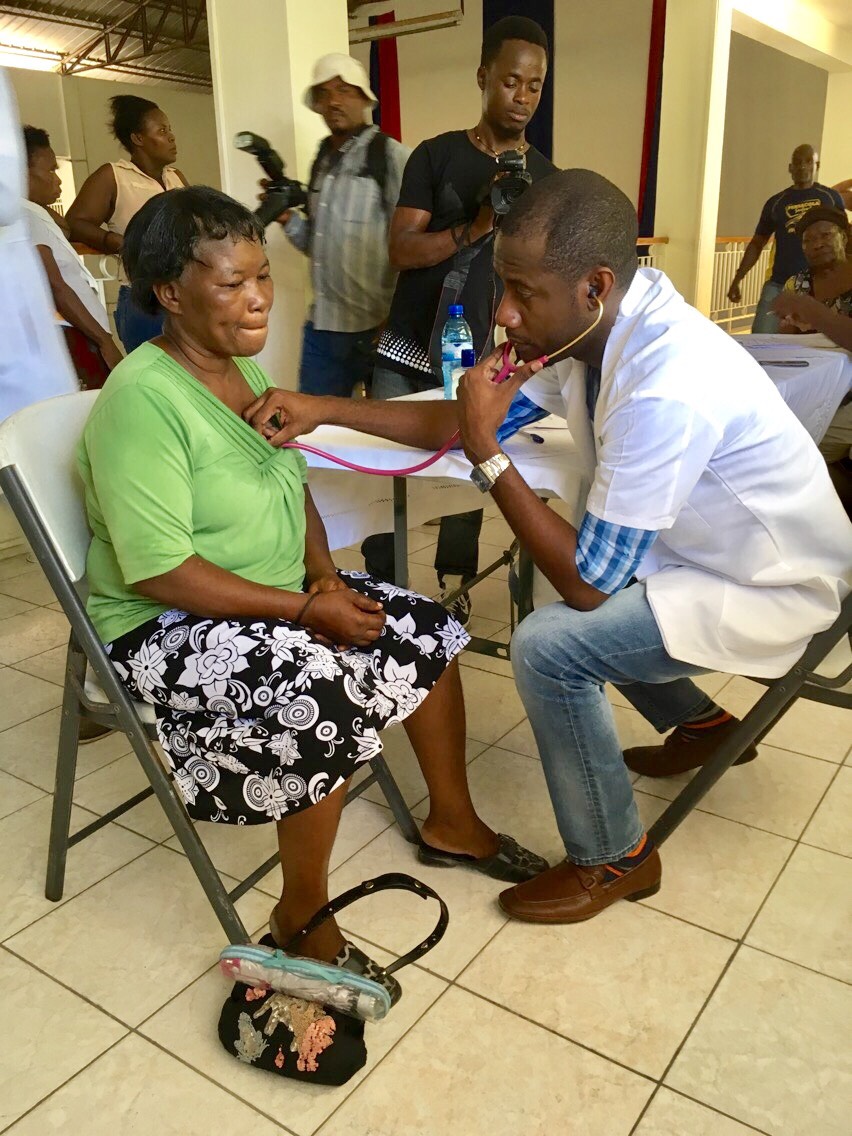
UNIFA medical student assists doctor during Mobile Ciinic held on Haiti’s Mother’s Day weekend at the Aristide Foundation for Democracy.
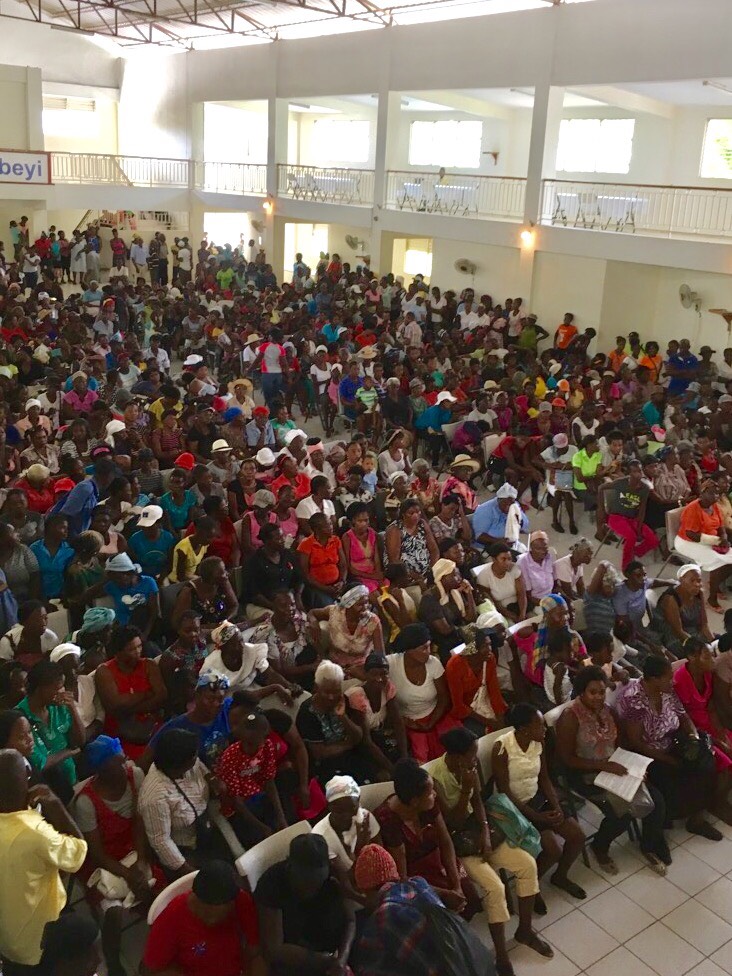
Hundreds of women participate in Mother’s Day event at the Aristide Foundation for Democracy and access free medical exams and treatment at the Mobile Clinic held that day.
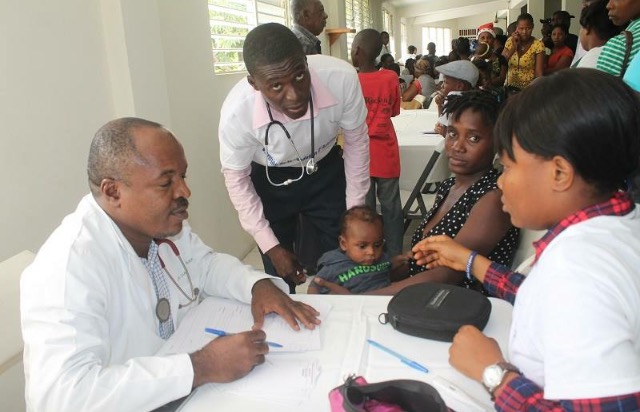
UNIFA’s medical students assist doctors during an earlier Mobile Clinic at the Aristide Foundation for Democracy.
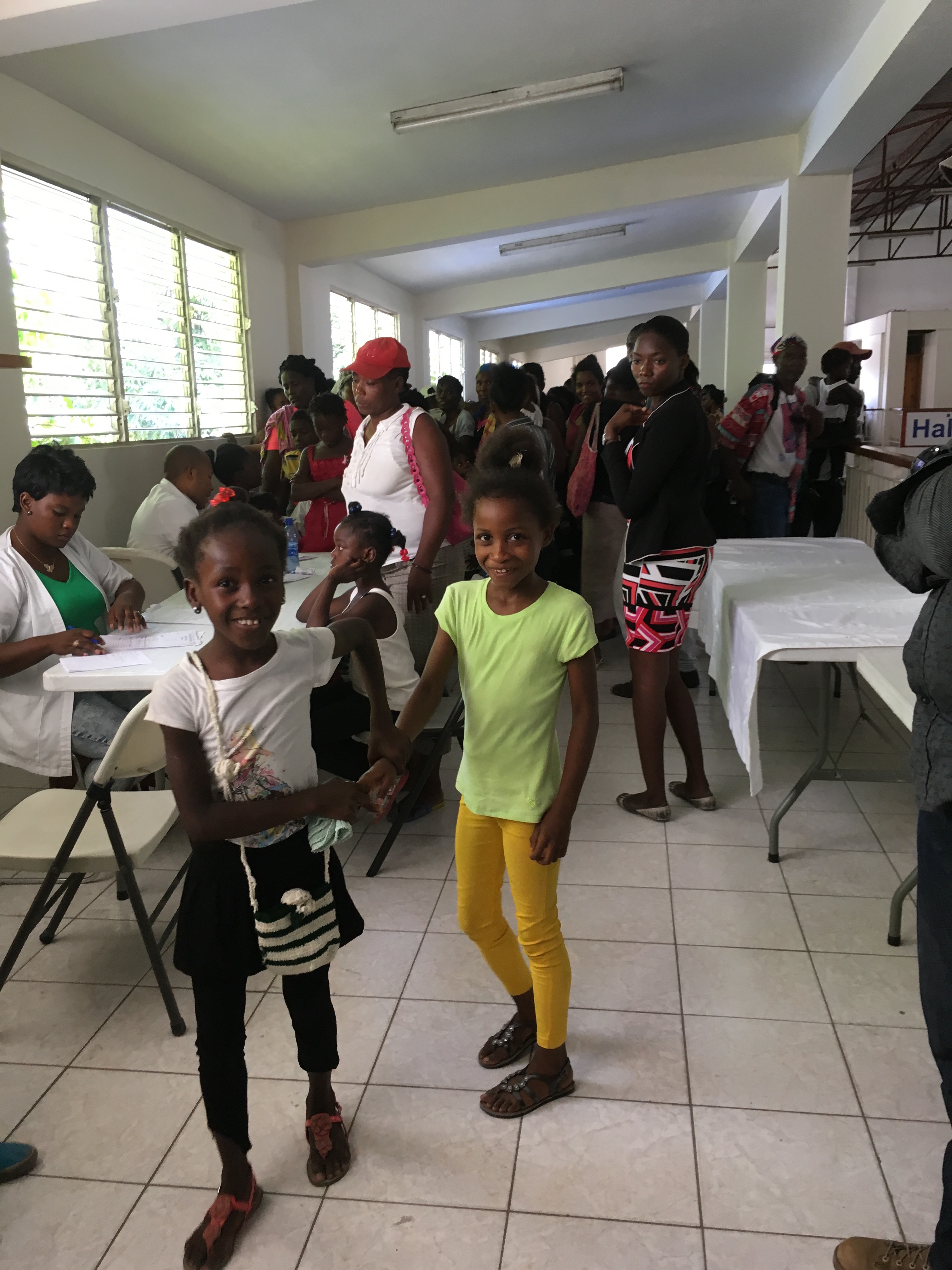
Children at the Mobile Clinic held at the Aristide Foundation for Democracy. In the background UNIFA’s medical and nursing students assist doctors and nurses in examining the hundreds of women seeking medical care during Haiti Mother’s Day weekend event.